
Carbon Fiber Reinforced
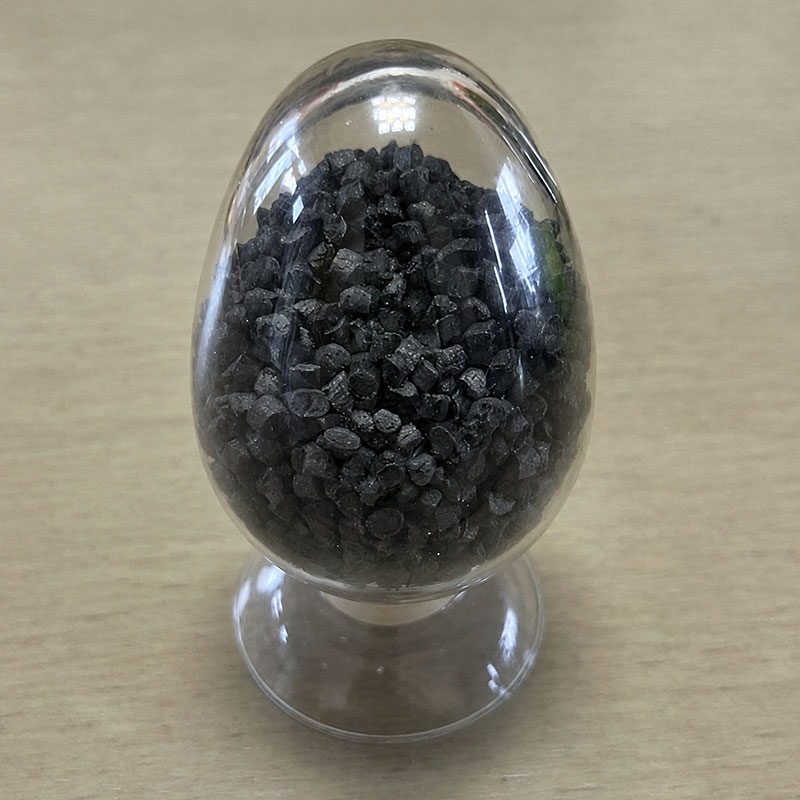
30% Carbon Fiber PP
Model: 5090CF20/5090CF30/5090CF15
Discover RENJIE's carbon fiber reinforced thermoplastic (CFRTP) solutions. PP carbon fiber reinforced thermoplastic offers lightweight design, high tensile strength, excellent dimensional stability, and creep resistance for automotive, electronics, medical and industrial applications. Learn about injection molding and extrusion processing methods.
| Product Description | PP Carbon fiber reinforced thermoplastic |
|---|---|
| RenJie®Grade | 5090CF20/5090CF30/5090CF15 |
| Base Polymer | Polypropylene(PP) |
| Volume Resistivity On Specimen | < 1E5 ohm.cm |
| Surface Resistance On Specimen | < 1E6 ohm/sq |
| Characteristic | Carbon fiber reinforced |
Introduction to Carbon Fiber Reinforced Thermoplastic (CFRTP)
Polypropylene (PP) is a polymer material known for its cost-effectiveness, excellent performance, and wide range of applications. Through carbon fiber reinforcement, the strength, heat distortion temperature, and dimensional stability of polypropylene can be significantly improved. PP carbon fiber reinforced thermoplastic is made of carbon fiber treated with epoxy coating and polypropylene resin. RENJIE mixes the polypropylene resin, toughening agent, antioxidant, compatibilizer, lubricant, light stabilizer, and modified fiber evenly, puts them into a flat vulcanizer, heats it up to 140°C, and keeps it warm for 1 hour under a pressure of 12 MPa. Then the temperature is raised to 240°C, kept warm for 1 hour, cooled to 90°C and the pressure is released. After taking it out, it is cooled to room temperature to form the carbon fiber reinforced polypropylene. Its advantages include lightweight, high tensile strength, solidity, high strength, low density, good dimensional stability, creep resistance, heat resistance, grease resistance, and good lubricity.
Applications of Carbon Fiber Reinforced Thermoplastic
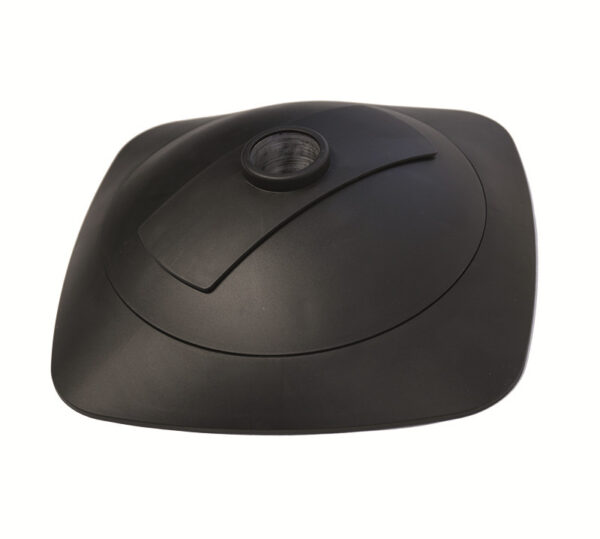
PP carbon fiber reinforced thermoplastic can be used in automobiles, electronics, medicine, and other fields. In the automotive field, with the development of new energy vehicles and the trend of lightweight vehicles, carbon fiber reinforced thermoplastics are increasingly used in the automotive field. The lower density meets the needs of lightweight vehicles and can be used to make extremely light components, safely replacing aluminum and magnesium without losing steel and strength, and being electrically conductive. The compound can be used to produce automotive structural components such as car bodies, chassis, and powertrains. Carbon fiber reinforced thermoplastic has high mechanical properties and can be used in automotive parts such as automotive auxiliary instrument assemblies. In the electronics field, it is used in high-strength, lightweight electronic equipment casings, circuit board brackets, and radiators. It has good thermal conductivity so it can manufacture parts with high precision requirements to meet the needs of electronic equipment. In the medical field, PP carbon fiber reinforced thermoplastic has the advantages of lightweight, thermal shock resistance, and corrosion resistance. It performs well in providing the necessary mechanical support and load capacity and can effectively replace the function of human bones.
Injection Molding Grade and Extrusion Molding Grade of Carbon Fiber Reinforced Thermoplastic
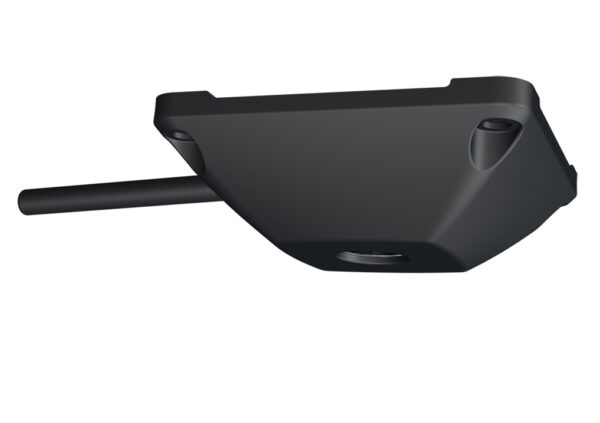
Injection molding and extrusion molding of carbon fiber reinforced thermoplastics are two common processing methods. Injection molding is heating and melting the carbon fiber reinforced thermoplastic, then injecting it into the mold through an injection molding machine, and then cooling and shaping it to obtain the product. Characteristics of this process include:
· Can manufacture products with complex shapes.
· Able to achieve high-precision molding.
· High production efficiency.
Extrusion molding is to heat and melt the compounds in an extruder, and then extrude them through a die. Mainly used for 3D printing filaments. Its characteristics are:
· Suitable for continuous production.
· Can produce products with larger cross-sections.
· The cost is relatively low.
Processing Precautions of PP Carbon Fiber Reinforced Thermoplastic
Temperature Control
Reasonably control the processing temperature. Generally speaking, the processing temperature should be higher than that of ordinary PP plastics, but not too high to avoid the decomposition of plastics or carbonization of PP carbon fiber reinforced thermoplastics, which will cause the performance of the material to deteriorate. Different equipment and processes may require different temperature settings, which need to be adjusted according to actual conditions.
Injection Speed
Appropriately control the injection speed. Too fast an injection speed may cause defects such as flow marks and bubbles in the product, while too slow an injection speed may affect production efficiency.
Holding Pressure and Time
Set appropriate holding pressure and time to ensure the dimensional stability and density of the product. Too high a holding pressure may cause increased stress in the product, and too long a holding time may affect production efficiency.
| Product Description | PP Carbon fiber reinforced thermoplastic |
|---|---|
| RenJie®Grade | 5090CF20/5090CF30/5090CF15 |
| Base Polymer | Polypropylene(PP) |
| Volume Resistivity On Specimen | < 1E5 ohm.cm |
| Surface Resistance On Specimen | < 1E6 ohm/sq |
| Characteristic | Carbon fiber reinforced |
| Processing | Injection |
| Features | High strength and wear resistance |
| Applications | Injection molded parts, 3D printing filaments |
Related products
709AN/747AN/920AN
Antistatic ABS Compound
RENJIE® antistatic ABS compound with 10^8–10^10 Ω surface resistance. 709A…
View details757CF20/757CF30/757CF15
15% Carbon fiber ABS
RENJIE carbon fiber reinforced ABS is a high-performance thermoplastic com…
View details70CF30/70CF20/70CF15
30% Carbon Fiber Nylon 66
Explore Carbon Fiber Conductive Nylon properties, CFRTP Conductive Nylon g…
View detailsRequest a quotation or sample
We reply with price, MOQ and lead time within one business day.
Need a quotation or product data?
Send us your specification and we will come back with a solution within 24 hours.