
AntiStatic Compound
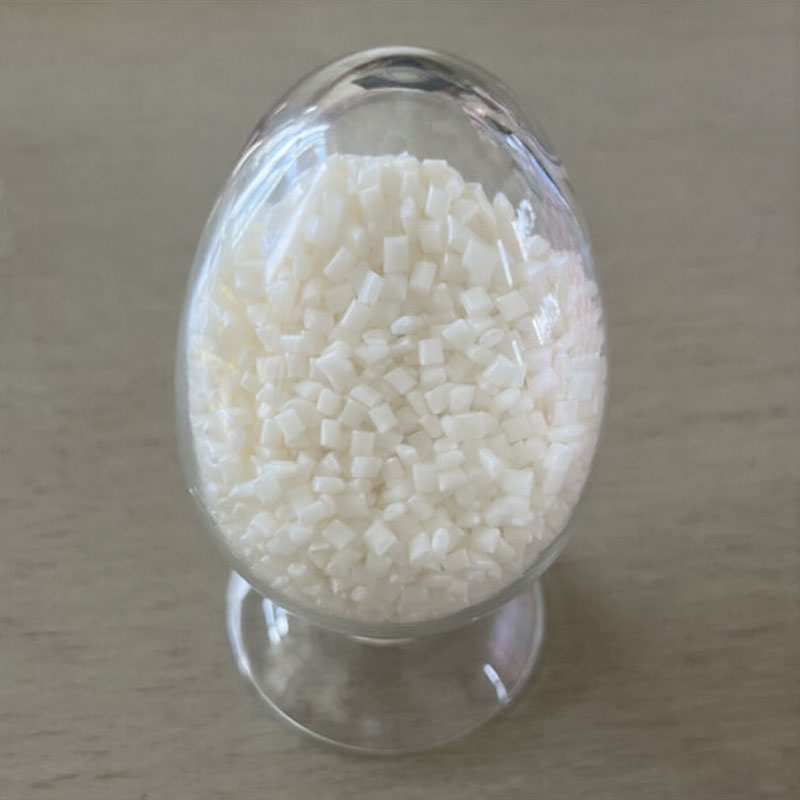
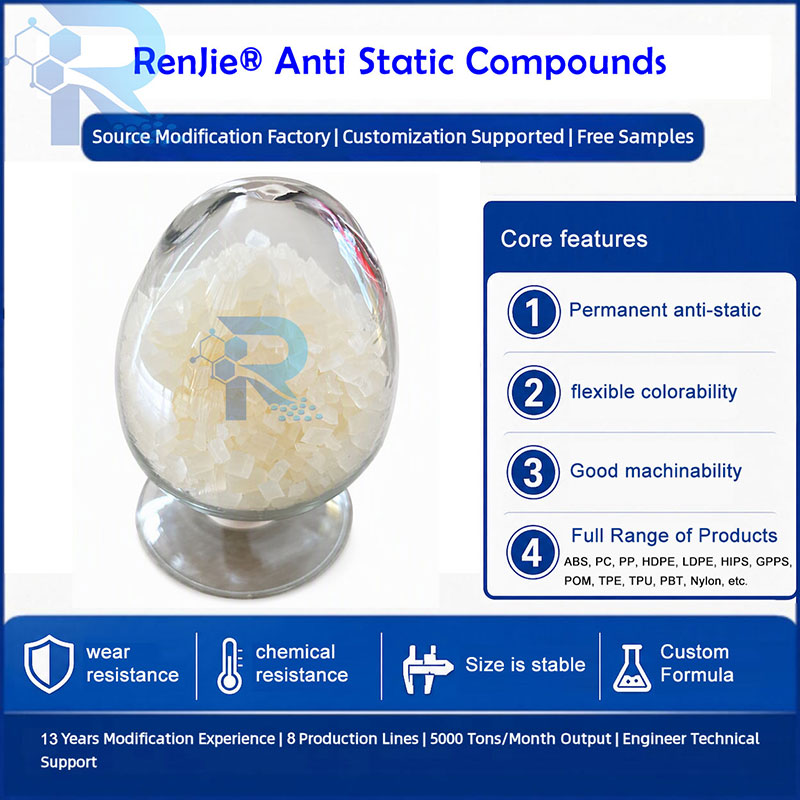

Antistatic ABS Compound
Model: 709AN/747AN/920AN
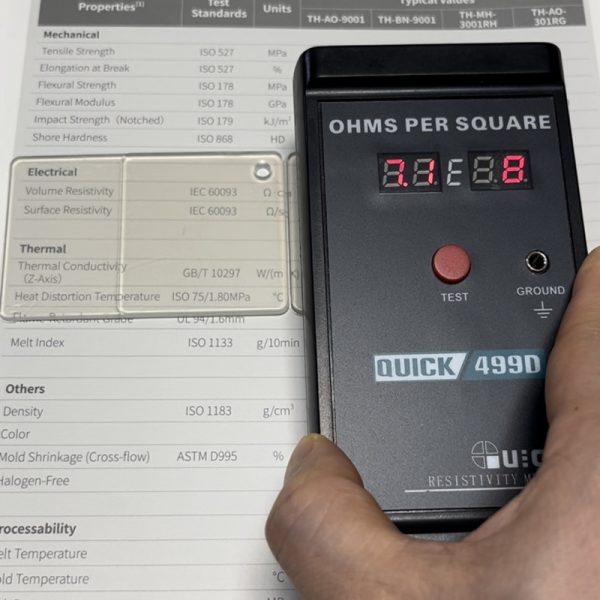
RENJIE® antistatic ABS compound with 10^8–10^10 Ω surface resistance. 709AN and 747AN for injection, extrusion and blow molding; 920AN transparent grade at 10^8 Ω for semiconductor and optical ESD applications.
| Product Description | ESD ABS Compound |
|---|---|
| RenJie®Grade | 709AN/747AN/920AN |
| Base Polymer | Acrylonitrile Butadiene Styrene (ABS) |
| Surface Resistance | 6.2×10E9 Ohms |
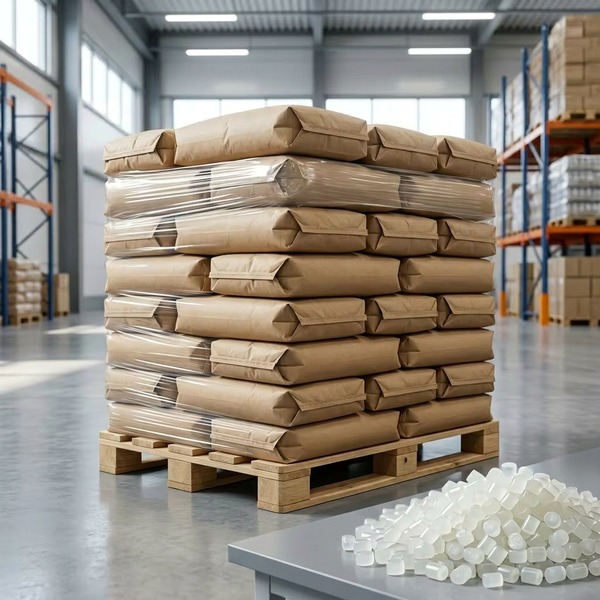
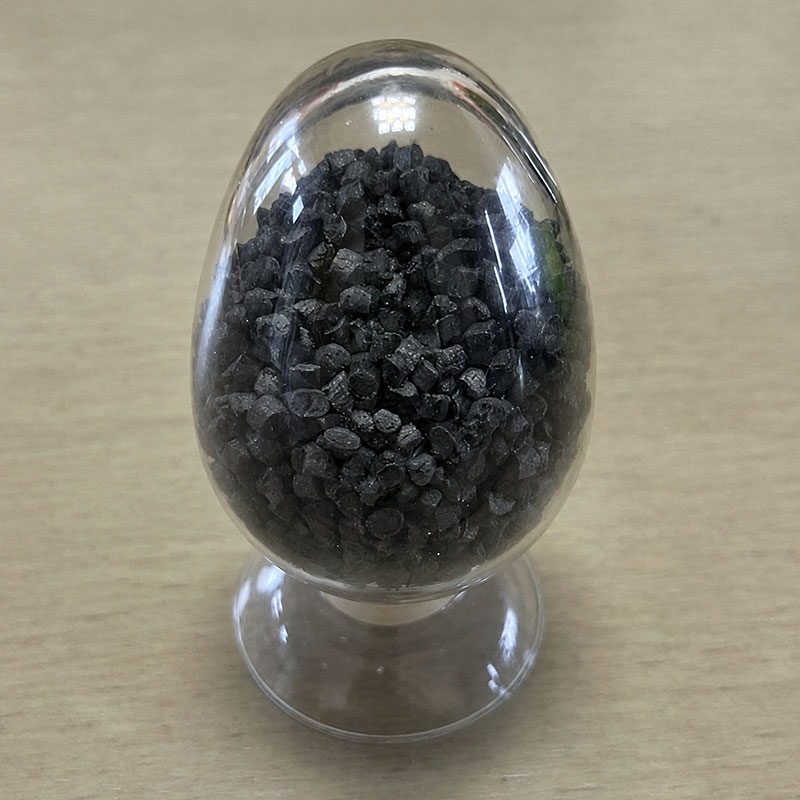
| Appearance | Granules/Natural |
| Features | Good heat resistance, excellent processing performance |
What Is Antistatic ABS Compound?
Antistatic ABS compound is produced by adding a permanent antistatic agent and special additives to ABS resin and modifying it through processing. It prevents static charge from accumulating and discharging, protecting electronic equipment from static interference or damage. Its defining properties are permanent antistatic behaviour and colourability.
Surface resistance of antistatic ABS compound typically falls between 10^8 and 10^10 Ω. The antistatic agent used is a polymeric permanent type. These molecules form a tightly oriented arrangement at the interface between the resin and air, or between resin and resin. Once the resin cures, the hydrophilic groups on the antistatic agent molecules orient toward the air side to form a monomolecular conductive layer, lowering surface resistivity and delivering the antistatic effect.
Antistatic ABS compound improves antistatic performance while retaining the original mechanical properties of ABS resin. Adding the antistatic agent may change strength, toughness and similar properties to some degree, but sound formulation design minimizes that effect. RENJIE® 709AN and 747AN suit conventional injection molding, extrusion and blow molding; both grades may need corresponding adjustment of processing parameters such as temperature and pressure.
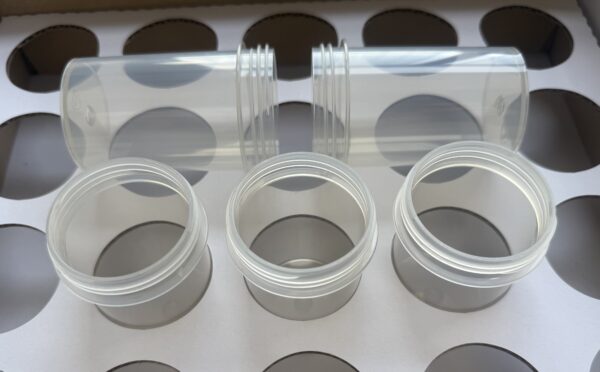
RENJIE® 920AN is a transparent antistatic ABS compound based on Toray 920-555 resin with a surface resistance of 10^8 Ω. It combines permanent antistatic performance with high transparency and is used in electrostatic dissipation applications in the semiconductor and optical fields.
Antistatic ABS Compound Key Characteristics
Good impact strength — High impact resistance is retained even at low temperatures, so antistatic ABS parts resist cracking and damage under external impact. Antistatic ABS parts used in cold northern regions keep working normally at low temperature. The material suits products that must absorb impact, such as helmets and sports equipment.
Excellent wear resistance — Good abrasion behaviour preserves surface quality and dimensional stability in long-term use. It suits parts subject to frequent friction or wear, including mechanical components such as gears and bearings, and everyday items such as mice and keyboards.
High stiffness and strength — Strong rigidity handles greater pressure and tension, keeping the product's shape and structure stable. In construction, antistatic ABS is used for architectural models and decorative parts while holding shape and dimensional accuracy.
Excellent processing performance — As one of the most widely used antistatic polymers, antistatic ABS has a wide processing temperature window and good flow, forming easily by injection molding, extrusion and blow molding. It produces parts of varied shapes and sizes quickly and efficiently.
Customizable functionality — Different additives or modification treatments add functions such as flame retardancy and glass fiber reinforcement to meet special application requirements.
Good surface gloss and easy colouring — Surfaces show high gloss and an attractive appearance, and colour easily by dyeing or spraying, so a wide range of colours and finishes can be produced for different consumer needs.
3. FAQ
Q1: What is the surface resistance of antistatic ABS?
A: Typically 10^8–10^10 Ω; RENJIE® 920AN transparent grade is 10^8 Ω.
Q2: How does the antistatic mechanism work?
A: The polymeric permanent antistatic agent orients at the resin/air interface; after curing its hydrophilic groups face outward to form a monomolecular conductive layer that lowers surface resistivity.
Q3: Does the antistatic agent affect mechanical properties?
A: It may have some effect on strength and toughness, but formulation design can minimize it.
Q4: Which processes suit 709AN and 747AN?
A: Conventional injection molding, extrusion and blow molding, with processing parameters such as temperature and pressure adjusted accordingly.
Q5: Is there a transparent option?
A: Yes — RENJIE® 920AN, based on Toray 920-555 resin, at 10^8 Ω with high transparency for semiconductor and optical ESD applications.
Q6: Can it be flame retarded or glass-filled?
A: Yes. Flame retardancy, glass fiber reinforcement and other functions can be built in through additives or modification.
| Product Description | ESD ABS Compound |
|---|---|
| RenJie®Grade | 709AN/747AN/920AN |
| Base Polymer | Acrylonitrile Butadiene Styrene (ABS) |
| Surface Resistance | 6.2×10E9 Ohms |
| Appearance | Granules/Natural |
| Features | Good heat resistance, excellent processing performance |
| Applications | Electronic product housing,Electronic tray,sheetsing for electronic components |
Related products
757CF20/757CF30/757CF15
15% Carbon fiber ABS
RENJIE carbon fiber reinforced ABS is a high-performance thermoplastic com…
View details70CF30/70CF20/70CF15
30% Carbon Fiber Nylon 66
Explore Carbon Fiber Conductive Nylon properties, CFRTP Conductive Nylon g…
View details5090CF20/5090CF30/5090CF15
30% Carbon Fiber PP
Discover RENJIE's carbon fiber reinforced thermoplastic (CFRTP) solutions.…
View detailsRequest a quotation or sample
We reply with price, MOQ and lead time within one business day.
Need a quotation or product data?
Send us your specification and we will come back with a solution within 24 hours.