
Functional Masterbatch & Modified
Antistatic Polypropylene Compound
Model: 5090AN/6090AN
antistatic polypropylene compound delivers permanent ESD protection at 10^8–10^11 Ω/sq, low density 0.94–0.98 g/cm³ and 90–120 °C heat resistance. Explore features and applications.
| Product Description | Antistatic PP |
|---|---|
| RenJie®Grade | 5090AN/6090AN |
| Base Polymer | Polypropylene |
| Volume Resistivity On Specimen | 10^7~10^11 Ohm.cm |
| Surface Resistance On Specimen | 10^8~10^11 Ohm/sq |
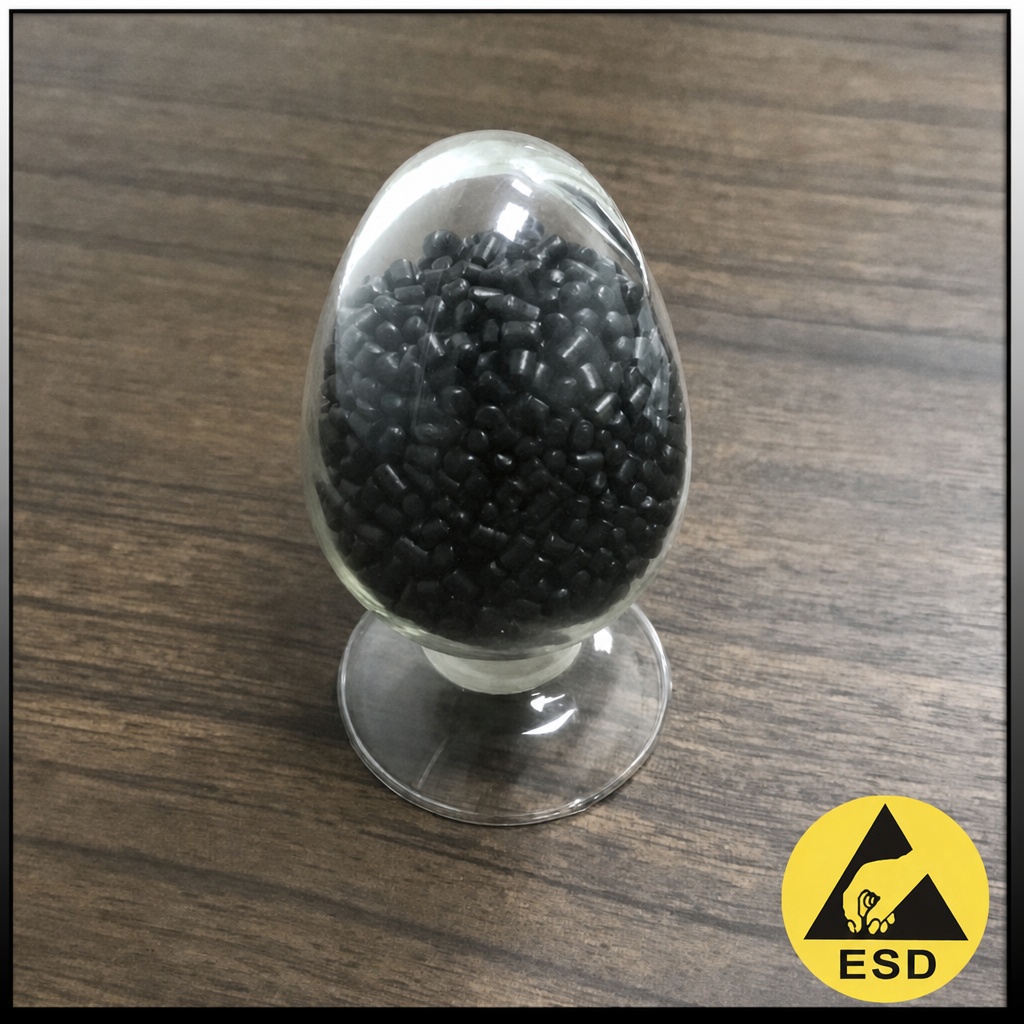
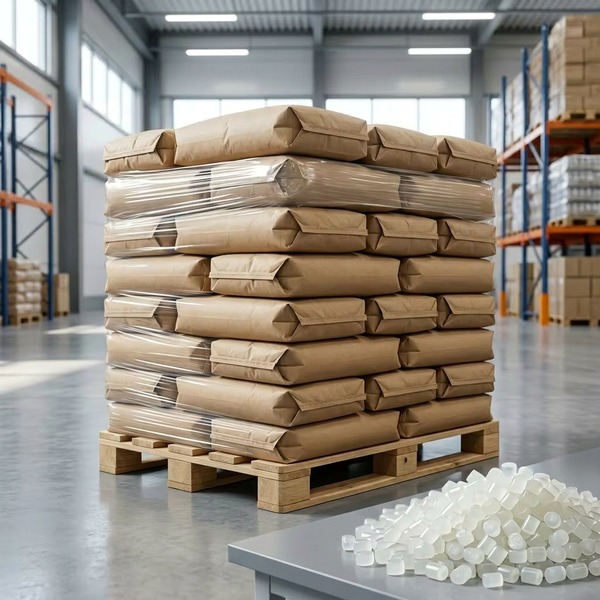
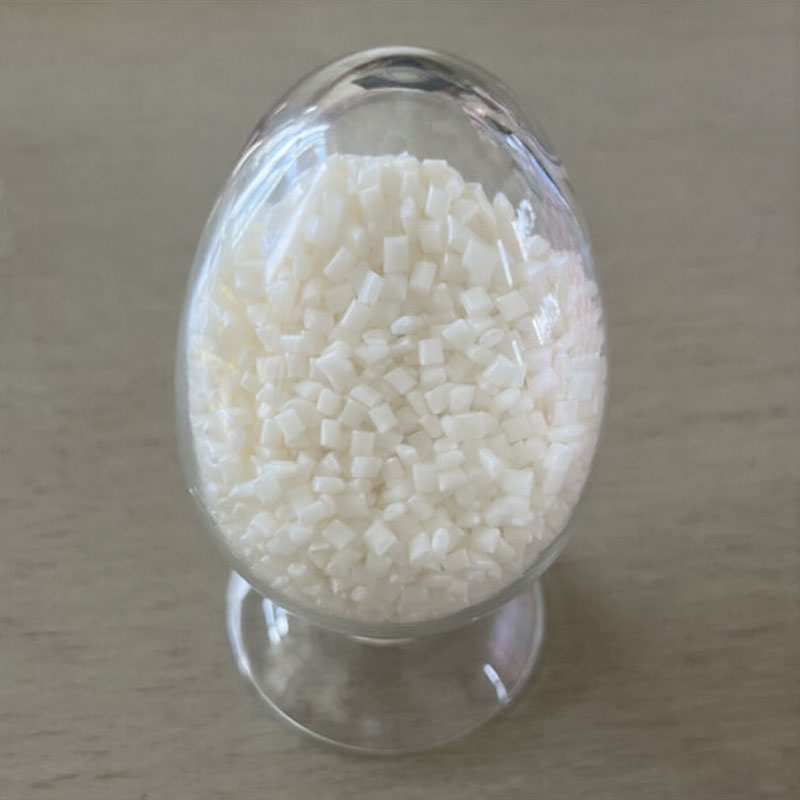
| Appearance | Granules/Natural |
Antistatic Polypropylene Compound: Features, Benefits and Industrial Applications
Antistatic polypropylene compound is a modified polypropylene material built on two core components: a permanent antistatic agent and a polypropylene resin base. The result is an engineering thermoplastic with a surface resistance of 10^8–10^11 Ω/sq — a range that safely dissipates static charge without the cost and conductivity of fully conductive plastics.
This controlled dissipation is what makes RENJIE® antistatic polypropylene compound valuable wherever electrostatic discharge (ESD) damages sensitive electronics, attracts dust, or creates a spark risk around flammable materials.
What Is an Antistatic Polypropylene Compound?
An antistatic polypropylene compound is a polypropylene resin blended with a permanent antistatic agent that migrates to the surface and forms a charge-dissipative network. Unlike temporary topical treatments that wash off or wear away, the permanent system keeps surface resistivity stable throughout the part's service life.
Three properties define the material's position in the market:
- Surface resistivity of 10^8–10^11 Ω/sq — dissipative, not conductive, so it protects components without shorting live circuits.
- Long-lasting antistatic performance — stable in short-term use and after long-term exposure to different environmental conditions.
- Polypropylene economics — low density, easy processing and recyclability at a fraction of the cost of engineering polymers such as PEEK or PEI.
Key Features of RENJIE® Antistatic Polypropylene Compound
1. Permanent ESD protection at 10^8–10^11 Ω/sq
The compound prevents electrostatic discharge from damaging sensitive electronic components and equipment. In practice this means no dust attraction on part surfaces, no short circuits or intermittent connections caused by static-adsorbed particles, and no dielectric breakdown of components during transport, storage or assembly.
The antistatic effect is durable. Whether the part sees short-term handling or long-term exposure to different environmental conditions, antistatic performance remains relatively stable — an important advantage for reusable ESD packaging and for parts with a service life measured in years.
2. Low density and low cost per part
At 0.94–0.98 g/cm³, antistatic polypropylene compound is one of the lowest-density antistatic materials available. Because injection moulders and extruders buy resin by weight but sell parts by volume, low density translates directly into more parts per kilogram and a lower material cost per finished unit.
3. Excellent processability across all major methods
The compound processes on standard polypropylene equipment with no special machinery:
| Process | Typical antistatic PP applications |
|---|---|
| Injection moulding | Turnover boxes, pallets, component trays, equipment housings, medical device shells |
| Extrusion | Sheet, pipe and profile for chemical plant components and cleanroom panels |
| Blow moulding | Bottles, drums and containers for chemicals and pharmaceuticals |
| Casting / thermoforming | Trays, inserts and packaging formats from sheet |
The processing window is wide, cycles are short, and the material can be formed into products of almost any shape and size — meeting the production needs of very different end markets on the same equipment.
4. Heat resistance for demanding environments
Among general engineering plastics, polypropylene compounds offer good heat resistance. RENJIE® antistatic polypropylene compound maintains its physical and mechanical properties at elevated temperatures, with a continuous use temperature of 90–120 °C and short-term tolerance of higher peaks.
This suits heat-exposed applications such as heat dissipation components in electronic equipment and mechanical parts that operate at high temperatures.
5. Recyclable, food-contact capable and safe
Antistatic polypropylene compounds are thermoplastics and therefore recyclable. They contain no substances harmful to the human body or the environment, and grades are available for packaging materials that come into direct contact with food — making the material safe and reliable for consumer-adjacent applications as well as industrial ones.
Applications of Antistatic Polypropylene Compound
Electronics and electrical manufacturing
In the production, packaging, transport and storage of precision electronic components — integrated circuits, chips, sensor sheaths — antistatic polypropylene compound is used to make turnover boxes, pallets and packaging containers.
The material delivers two distinct benefits: it stops static from adsorbing dust that causes short circuits, poor connections and component failure; and it prevents electrostatic discharge from breaking through electronic components, keeping performance stable through transport, storage and processing. It is also used for the outer housings of electronic products such as mobile phones, computers and televisions.
Medical devices and pharmaceutical packaging
Diagnostic equipment such as electrocardiographs and B-ultrasound machines can use antistatic polypropylene for outer housings. The material provides the mechanical strength and protective performance the equipment needs while preventing static from interfering with internal electronics and sensitive parts — protecting the accuracy and reliability of the device.
In pharmaceutical and medical packaging, the compound is used for medicine bottles, infusion bags and syringe trays. It prevents static attraction of dust and impurities, supports the cleanliness and sterility of medicines and devices, and makes packaging and transport operations easier.
Chemical processing and hazardous materials
Chemical production requires antistatic materials for the transport and storage of many substances. Antistatic polypropylene compound is used for parts of chemical pipelines, storage tanks and reactors, preventing static-generated sparks from causing fire, explosion and other safety incidents.
For flammable and explosive chemical products, packaging itself must be antistatic. Bags and boxes made from the compound protect safety during transport and storage.
Photovoltaic cleaning
Cleaning brushes made from antistatic compound prevent static from re-attracting dust during solar panel cleaning, keeping the module surface clean and supporting power generation efficiency.
Cleanrooms and semiconductor environments
Antistatic polypropylene compound is used for cleanroom packaging materials and equipment — bags, straps and pallets. Preventing static accumulation is critical in the production environments of electronic and semiconductor products that are sensitive to electrostatic discharge, where a single discharge event can destroy product quality.
How to Specify an Antistatic Polypropylene Compound
When writing a specification or RFQ, define these parameters explicitly so quotations are comparable:
- Surface resistivity target — state the range you need (10^8–10^11 Ω/sq covers most dissipative ESD packaging and handling applications).
- Processing method — injection moulding, extrusion, blow moulding or casting; each favours a different melt flow rate.
- Continuous service temperature — confirm the 90–120 °C band matches your duty cycle, and note any short-term peaks.
- Colour and appearance — antistatic agents can shift base colour; specify masterbatch or pre-compounded colour.
- Compliance requirements — food-contact suitability, recyclability documentation or restricted-substance declarations.
- End-use form — pellet, sheet or finished part, plus packaging and moisture protection for shipping.
Frequently Asked Questions
What is the surface resistivity of antistatic polypropylene compound? RENJIE® antistatic polypropylene compound is specified at 10^8–10^11 Ω/sq, the dissipative range used to protect sensitive electronic components and equipment from electrostatic discharge.
Is the antistatic effect permanent? Yes. The compound is built on a permanent antistatic agent rather than a topical coating, so performance stays relatively stable in short-term use and after long-term exposure to different environmental conditions.
How does antistatic polypropylene compare with conductive polypropylene? Antistatic (dissipative) material in the 10^8–10^11 Ω/sq range bleeds off charge slowly and safely, which is appropriate for component handling and packaging. Conductive grades sit at much lower resistivity and are chosen where rapid grounding is required. Antistatic PP is normally the lower-cost, easier-to-process option.
What is the density of antistatic polypropylene compound? 0.94–0.98 g/cm³ — among the lowest of all antistatic compounds, which keeps material cost per part low.
Can antistatic polypropylene be recycled? Yes. It is a thermoplastic and is recyclable. It contains no substances harmful to the human body or the environment, and food-contact grades are available.
Which processing methods does it support? Injection moulding, extrusion, blow moulding and casting. The processing process is simple and efficient and meets the production needs of different products.
Why Source Antistatic Polypropylene Compound from RENJIE®
- Stable dissipative performance — 10^8–10^11 Ω/sq held across service life, not just at incoming inspection.
- Cost efficiency by design — 0.94–0.98 g/cm³ density and wide processing windows reduce material and cycle cost.
- Application experience — electronics, medical, chemical, photovoltaic and cleanroom use cases already proven in production.
- Specification support — help translating an ESD requirement into resin grade, processing method and colour.
Request a RENJIE® antistatic polypropylene compound quotation with your target surface resistivity, processing method, service temperature and annual volume.
| Product Description | Antistatic PP |
|---|---|
| RenJie®Grade | 5090AN/6090AN |
| Base Polymer | Polypropylene |
| Volume Resistivity On Specimen | 10^7~10^11 Ohm.cm |
| Surface Resistance On Specimen | 10^8~10^11 Ohm/sq |
| Appearance | Granules/Natural |
| Conductive filler | Permanent antistatic agent |
| Processing | Injection/Extrusion |
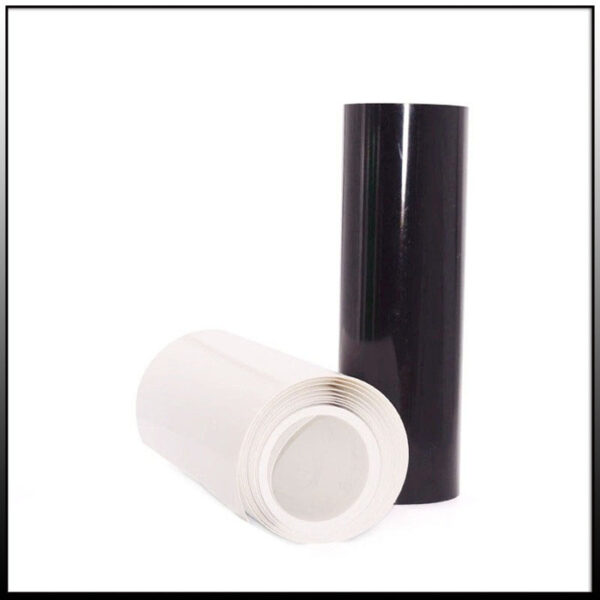
| Applications | Antistatic PP sheet and film |
Related products
709AN/747AN/920AN
Antistatic ABS Compound
RENJIE® antistatic ABS compound with 10^8–10^10 Ω surface resistance. 709A…
View details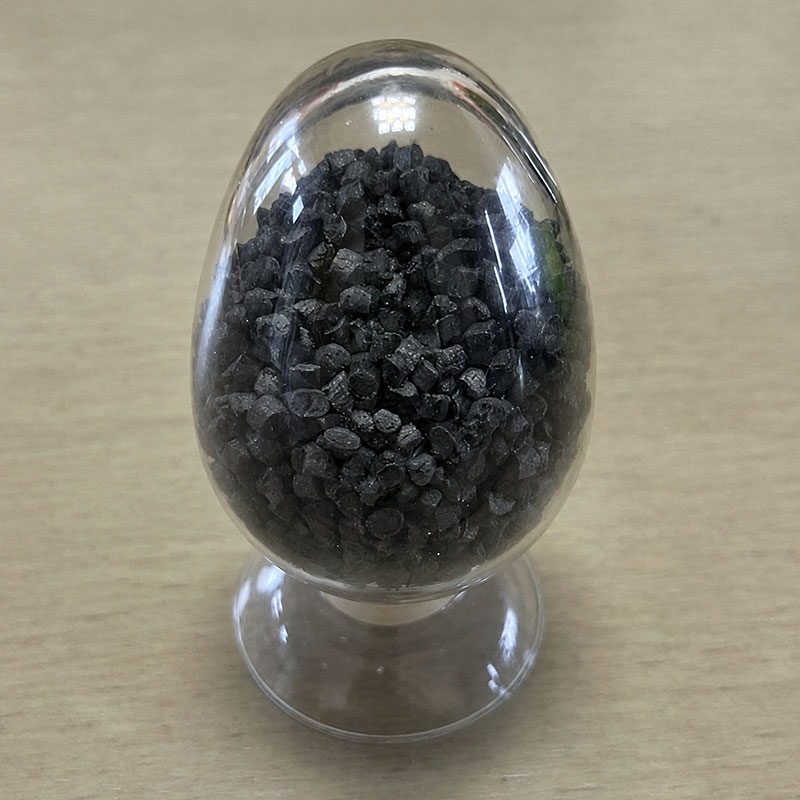
757CF20/757CF30/757CF15
15% Carbon fiber ABS
RENJIE carbon fiber reinforced ABS is a high-performance thermoplastic com…
View details70CF30/70CF20/70CF15
30% Carbon Fiber Nylon 66
Explore Carbon Fiber Conductive Nylon properties, CFRTP Conductive Nylon g…
View detailsRequest a quotation or sample
We reply with price, MOQ and lead time within one business day.
Need a quotation or product data?
Send us your specification and we will come back with a solution within 24 hours.