
Conductive Compound
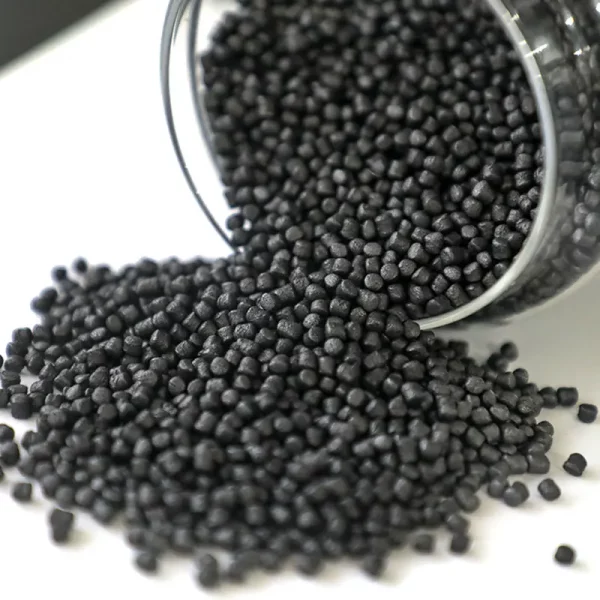
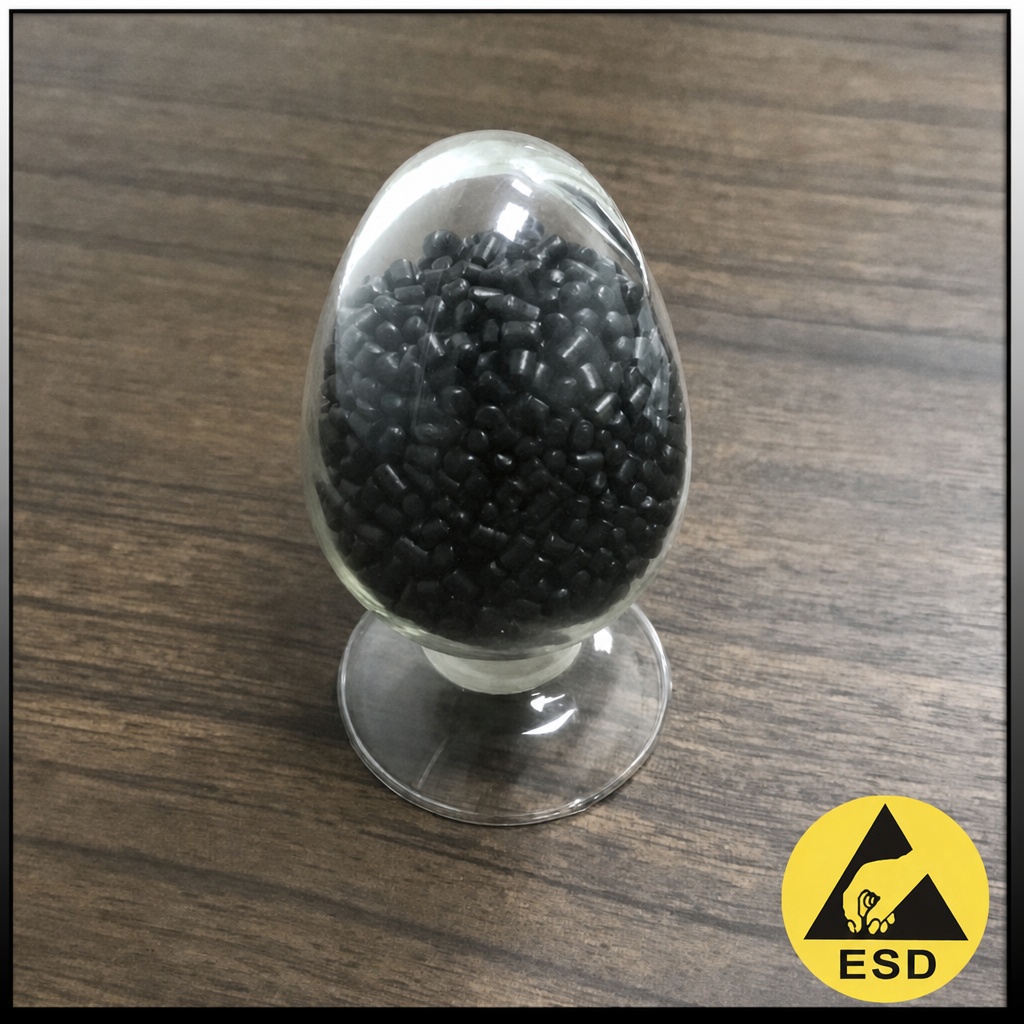
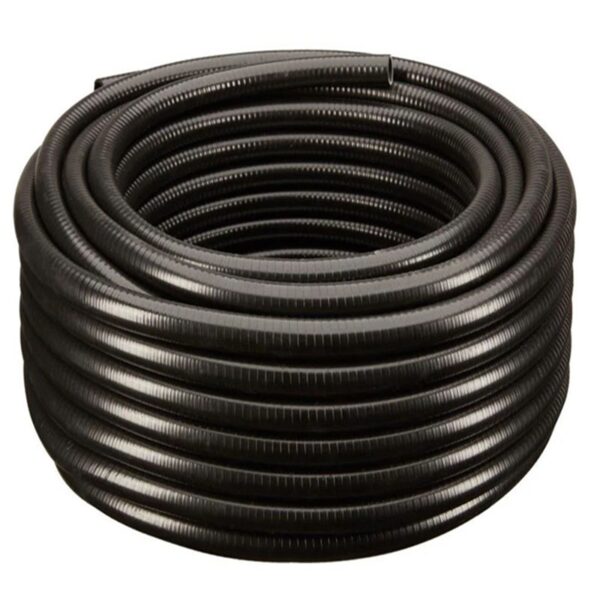
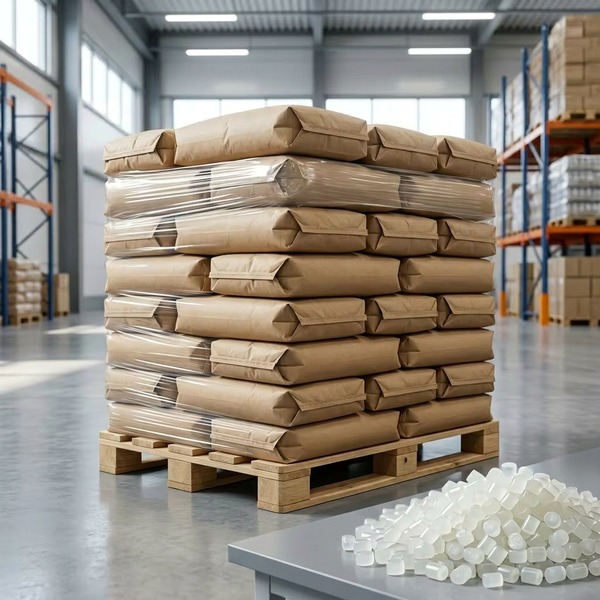
Conductive Masterbatch
Model: PS 0603C/PP C306/C401
onductive masterbatch uses carbon black, carbon nanotubes or stainless steel fiber as the conductive medium, with base resins including HIPS, LLDPE, HDPE, PP, PVC, ABS, POM and Nylon. Suitable for injection molding, extrusion and film blowing. 300CNT MWCNT masterbatch achieves antistatic performance at just 2% loading, with surface resistance from 10⁴ to 10⁹ Ω.
| Product Description | Conductive ABS compound |
|---|---|
| RenJie®Grade | PS 0603C/PP C306/C401 |
| Surface Resistivity | 0^2~10^5 Ohm/sq |
| Volume Resistivity | 10^2~10^4 Ohm.cm |
| Applying To | PP PS PE ABS PC Nylon PVC etc. |
| Conductive filler | Carbon black /Carbon nanotube /Stainless steel fiber |
1. About RenJie® Conductive Masterbatch
1.1 Wide Range of End-Use Applications
In the continuous evolution of materials science, conductive masterbatch — an innovative functional material — is playing an increasingly prominent role across many fields. With its unique formulation and preparation process, RenJie® conductive masterbatch gives plastic products excellent conductive properties, bringing new solutions to the electronics, automotive and packaging industries.
1.2 Optional Base Resin Types
RenJie® conductive masterbatch is built on pure resin, using high oil absorption value, ultra-fine particle size conductive filler as the conductive medium, and is compounded with toughening agents, reinforcing agents, coupling agents, antioxidants and other additives through specific processes such as internal mixing and twin-screw extrusion.
As a professional manufacturer of conductive masterbatch, RenJie® maintains year-round stock of conductive masterbatch in the following base materials:
| Base resin | Full name | Compatible processes |
|---|---|---|
| HIPS | High-impact polystyrene | Injection molding / extrusion / film blowing |
| LLDPE | Linear low-density polyethylene | Injection molding / extrusion / film blowing |
| HDPE | High-density polyethylene | Injection molding / extrusion / film blowing |
| PP | Polypropylene | Injection molding / extrusion / film blowing |
| PVC | Polyvinyl chloride | Injection molding / extrusion / film blowing |
| ABS | Acrylonitrile-butadiene-styrene | Injection molding / extrusion / film blowing |
| POM | Polyoxymethylene (acetal) | Injection molding / extrusion / film blowing |
| Nylon | Polyamide (PA) | Injection molding / extrusion / film blowing |
These masterbatches are suitable for injection molding, extrusion, film blowing and other processing technologies.
1.3 Diversified Formulations
The conductive filler formulation is also highly diverse, covering carbon black, carbon nanotubes, stainless steel fiber and more. The filler ratio determines the resistance of the masterbatch and the required loading level. Among these, carbon black is favored for its high cost-effectiveness in conductivity.
2. Multiple Advantages of RenJie® Conductive Masterbatch
| Advantage | What it delivers | Value to the customer |
|---|---|---|
| Improved conductivity | Significantly imparts antistatic or electromagnetic shielding functions, meeting the strict requirements of electronic equipment for electrostatic protection and electromagnetic compatibility | For example, packaging made with conductive masterbatch for electronic components effectively prevents static electricity from damaging precision parts |
| Good dispersion uniformity | Effective dispersion in the matrix ensures uniform, stable conductivity | Avoids performance problems caused by local conductivity differences and improves overall product quality |
| Excellent stability | A stable conductive network forms in the resin, with long-lasting, stable performance during processing and use | Ensures long-term reliable operation, reducing maintenance costs and product failure rates |
| Cost control advantage | Compared with pure conductive materials, reasonable addition of conductive masterbatch reduces costs | Makes conductive plastic products more price competitive, supporting large-scale production and adoption |
| Excellent processing performance | Little effect on the processing performance of plastics; easy to form by common processes such as injection molding and extrusion | No need to significantly change existing processing equipment or processes, improving production efficiency |
| Good compatibility | Developed on a variety of matrices, with good compatibility with various base resins | Widely usable in products of different plastic materials, expanding the scope of application |
| Flexible and diverse design | Adjustable addition ratios give more possibilities for product design | Formulations and performance can be tailored to different applications, such as shielding materials with different shielding levels |
3. Standardize the Processing to Ensure Stable Quality
| Step | Key point | Recommended practice |
|---|---|---|
| 1. Pre-drying treatment | Dry the conductive masterbatch before processing | Especially important for hygroscopic materials such as carbon black conductive masterbatch, to avoid moisture affecting processing performance and product quality |
| 2. Key points of the mixing process | Select masterbatches with good compatibility with the base resin and mix them evenly in a certain proportion | Ensure even dispersion in the matrix; use high-speed mixers and similar equipment to improve mixing |
| 3. Processing technology adaptation | Process the mixed materials into products by injection molding, extrusion and other processes | Accurately control processing temperature, pressure, speed and other parameters according to the masterbatch and product requirements |
| 4. Precise control of dosage | Adjust the dosage of conductive masterbatch to achieve the ideal conductive effect | Too much or too little affects conductivity; determine the optimal addition ratio through testing |
| 5. Finished product testing | After addition in strict accordance with the recommended ratio, test the conductivity of the finished product | Ensure compliance with relevant standards and requirements; professional resistance testing instruments can be used |
| 6. Storage conditions | Avoid adverse environments such as humidity and high temperature during storage to prevent deterioration | Store in a dry, cool and ventilated place |
4. Carbon Nanotube (CNT) Enhancement Leads High-End Applications
Carbon nanotube-enhanced conductive masterbatch — such as 300CNT, a 100% multi-walled carbon nanotube (MWCNT) conductive and antistatic masterbatch — has emerged in the high-end field with its unique advantages:
- Low loading, high efficiency: an addition of only 2% achieves antistatic performance, suitable for a wide range of occasions requiring conductivity and antistatic behavior;
- Leading conductive performance: at the same addition ratio, its conductive effect far exceeds that of plastic masterbatch with added carbon black or carbon fiber. More than 3 times the amount of carbon black masterbatch is required to achieve the conductive performance of 300CNT;
- Broad process and resin compatibility: suitable for injection molding and extrusion. For general engineering plastic resins such as ABS, PC, PS, PP and PA6, the addition amount is usually 2%–8%, bringing the surface resistance of the product to 10⁴–10⁹ Ω.
5. Frequently Asked Questions (FAQ)
Q1: What does conductive masterbatch do? A: It imparts antistatic or electromagnetic shielding functions to plastic products, meeting the electrostatic protection and electromagnetic compatibility requirements of electronic equipment. In electronic component packaging, for example, packaging material made with conductive masterbatch effectively prevents static electricity from damaging precision parts.
Q2: Which base resins does RenJie® conductive masterbatch cover? A: Year-round stock covers HIPS, LLDPE, HDPE, PP, PVC, ABS, POM and Nylon, all suitable for injection molding, extrusion and film blowing.
Q3: What loading of conductive masterbatch is required? A: It depends on the target resistance and should be verified by testing. For 300CNT MWCNT masterbatch, 2% achieves antistatic performance, while general engineering plastics such as ABS, PC, PS, PP and PA6 typically use 2%–8%.
Q4: How do I choose between carbon black and carbon nanotube masterbatch? A: Carbon black is cost-effective with good conductivity and is the most widely used filler, but it usually turns the part black and may reduce mechanical properties such as impact strength. Carbon nanotube masterbatch works at lower loading with better conductivity and less impact on the base resin, making it suitable for high-end applications and parts with strict appearance or mechanical requirements.
Q5: Does conductive masterbatch need pre-drying before processing? A: Yes, pre-drying is recommended — especially for hygroscopic materials such as carbon black conductive masterbatch — to avoid moisture affecting processing performance and product quality.
Q6: How should conductive masterbatch be stored? A: Store it in a dry, cool and ventilated place, away from moisture and high temperature, to prevent performance deterioration.
| Product Description | Conductive ABS compound |
|---|---|
| RenJie®Grade | PS 0603C/PP C306/C401 |
| Surface Resistivity | 0^2~10^5 Ohm/sq |
| Volume Resistivity | 10^2~10^4 Ohm.cm |
| Applying To | PP PS PE ABS PC Nylon PVC etc. |
| Conductive filler | Carbon black /Carbon nanotube /Stainless steel fiber |
| Processing | Injection/Extrusion/Blowing |
| Applications | ESD packaging sheet, ESD packaging film |
Related products
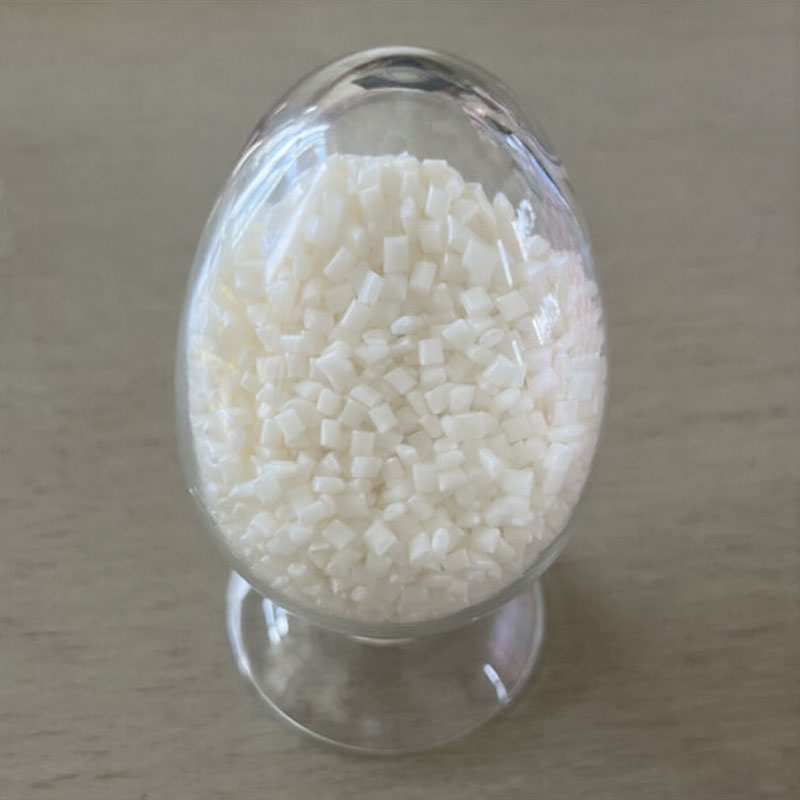
709AN/747AN/920AN
Antistatic ABS Compound
RENJIE® antistatic ABS compound with 10^8–10^10 Ω surface resistance. 709A…
View details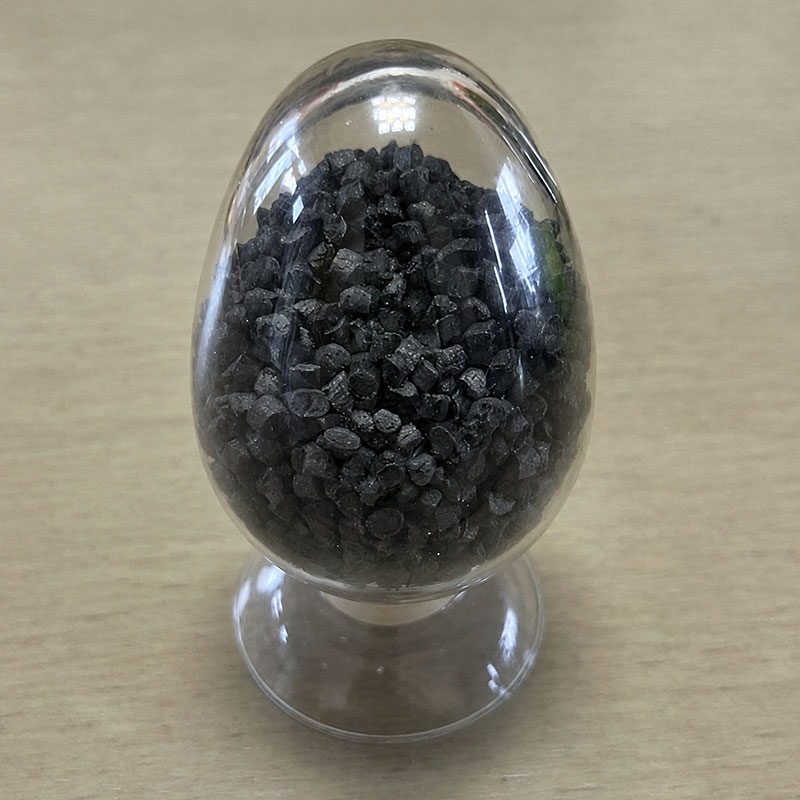
757CF20/757CF30/757CF15
15% Carbon fiber ABS
RENJIE carbon fiber reinforced ABS is a high-performance thermoplastic com…
View details70CF30/70CF20/70CF15
30% Carbon Fiber Nylon 66
Explore Carbon Fiber Conductive Nylon properties, CFRTP Conductive Nylon g…
View detailsRequest a quotation or sample
We reply with price, MOQ and lead time within one business day.
Need a quotation or product data?
Send us your specification and we will come back with a solution within 24 hours.