
Conductive Compound
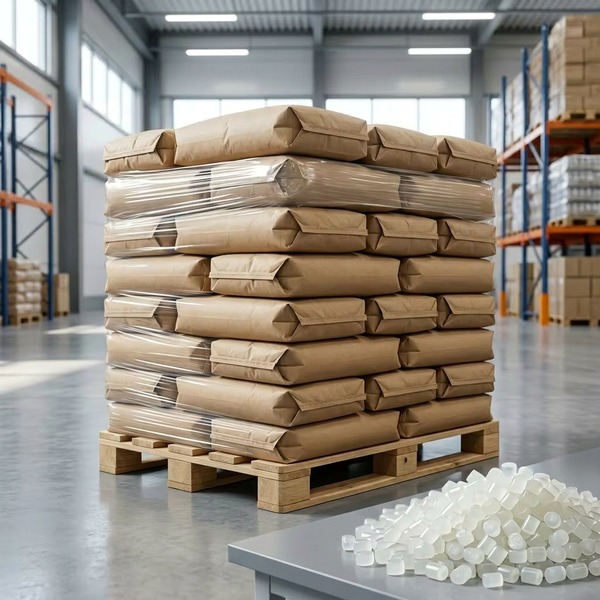
Conductive PS Compound
Model: CT-08A/CT-08B
Conductive PS (polystyrene) compound combines antistatic and electromagnetic interference (EMI) shielding functions. The PS base has a density of just 0.89–0.91 and is a non-toxic
| Product Description | Conductive PS Compound |
|---|---|
| RenJie®Grade | CT-08A/CT-08B |
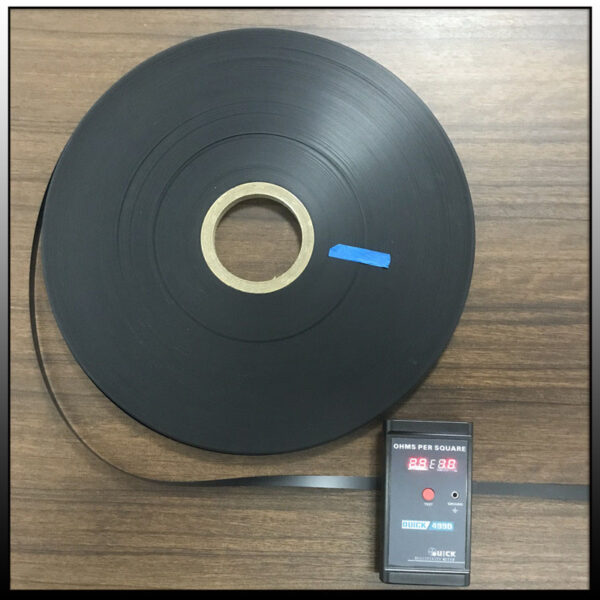
| Surface Resistivity | 10^2~10^5 Ohm/sq |
| Volume Resistivity | 10^2~10^4 Ohm.cm |
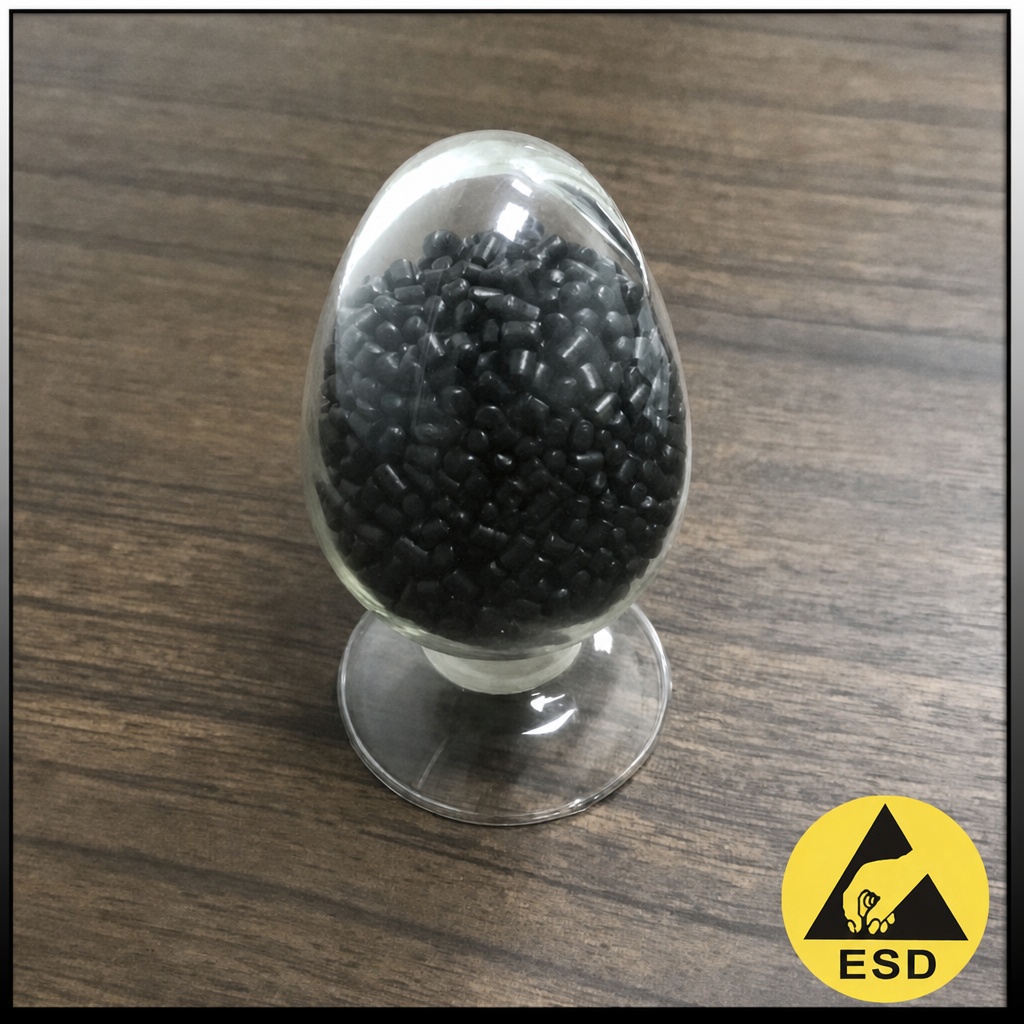
| Appearance | Granules/Black |
| Conductive filler | Carbon black /Carbon nanotube etc |
1. Properties of Conductive PS Compound
Conductive PS (polystyrene) is a conductive compound with antistatic and electromagnetic interference (EMI) shielding functions.
1.1 Base PS Resin Characteristics
Polystyrene is a milky white polymer that is non-toxic, odorless and very stable in water, and it is classified as an environmentally friendly material. Its density is 0.89–0.91, making it one of the lightest plastic varieties. PS has good mechanical properties: apart from impact resistance, its other mechanical properties are better than those of polyethylene.
1.2 Conductive Performance
Conductive PS compounds have excellent conductivity. According to different application requirements, materials with different conductive properties can be obtained by adjusting the type and amount of conductive filler. Both surface resistivity and volume resistivity can meet a variety of occasions requiring conductive properties, with surface resistivity ranging from 10⁴ to 10⁹ Ω/sq.
1.3 Chemical Resistance
Conductive PS compounds have good chemical resistance and resist most chemicals. They withstand the attack of certain acids, alkalis, salts and other chemicals while maintaining material performance stability. In the chemical and electronics industries they can be used in environments exposed to chemical substances and are especially suitable for semiconductor packaging materials.
1.4 Molding Processability
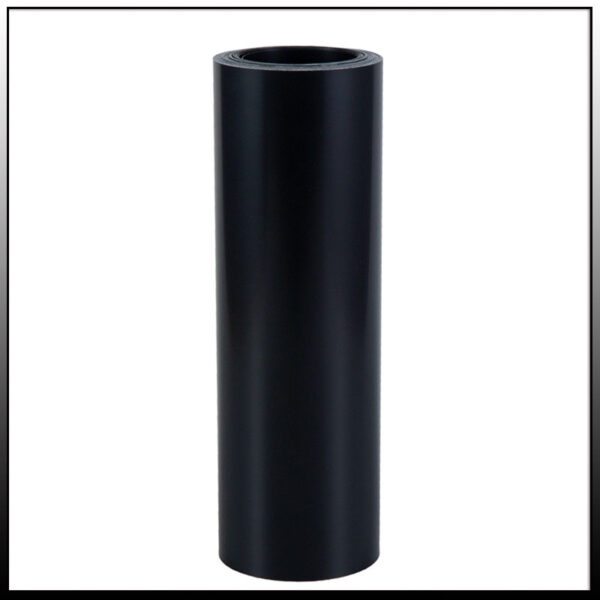
Conductive PS compounds have good molding processability and can be made into terminal products of various shapes — such as PS sheets, PS plates, PS pipes and injection molded parts — through different processing methods including injection molding, extrusion and blow molding.
2. Disadvantages of Conductive PS Compound
2.1 Relatively Poor Thermal Stability
The glass transition temperature and melting point of conductive PS are relatively low, so its thermal stability is poor, generally around 70 °C–100 °C. When the temperature approaches or exceeds its glass transition temperature, performance changes significantly — for example, reduced hardness and poor dimensional stability. As the temperature continues to rise to the melting point, the material begins to melt.
Conductive PS is therefore limited in high-temperature environments or applications with high heat resistance requirements. In some high-temperature electronic equipment and automotive engine peripheral parts, for example, conductive PS may not be applicable.
2.2 Relatively Large Thermal Expansion Coefficient
The thermal expansion coefficient of conductive PS is relatively large, meaning the dimensions of the material change considerably with temperature. In applications with high dimensional accuracy requirements — such as the packaging of precision electronic components and optical instruments — the thermal expansion characteristics of conductive PS may affect product performance and reliability.
3. Applications of Conductive PS Compound
3.1 Emerging and Advanced Fields
Conductive PS is not only gaining ground rapidly in antistatic additives, computer anti-electromagnetic screens and intelligent windows, it also has broad application prospects in solar cells, mobile phones, micro TV screens and even life science research. Moreover, conductive masterbatch will drive the rapid development of molecular electronics — in the future, computing speed can be greatly improved while computer size is reduced.
3.2 Electrical Engineering
In electrical engineering, conductive PS is widely used in the slot insulation and interphase insulation of small and medium-sized motors, as well as packaging insulation or gasket insulation for capacitors, transformers, wires and cables. Because conductive PS is thin with good electrical performance, the insulation thickness can be reduced — which is important for reducing the weight and volume of motors and electrical appliances. Conductive PS is recommended for applications that require both conductivity and good impact performance.
3.3 Electromagnetic Shielding
Conductive PS is used for the electromagnetic shielding of electronic products and equipment. As electronic equipment becomes increasingly widespread, electromagnetic radiation and interference problems grow more serious. Conductive PS can be made into housings, shielding covers and other parts to electromagnetically shield internal electronic components from external electromagnetic interference, while also reducing the electromagnetic radiation the equipment emits.
In laboratories and medical equipment, some precision instruments have very high requirements for the electromagnetic environment. Conductive PS provides a good electromagnetic shielding environment for these instruments, ensuring normal operation and measurement accuracy.
4. Key Parameters at a Glance (Selection Reference)
| Item | Parameter / description |
|---|---|
| Material | Conductive PS (polystyrene) compound |
| Main functions | Antistatic + electromagnetic interference (EMI) shielding |
| Base resin density | 0.89–0.91 (one of the lightest plastic varieties) |
| Surface resistivity | 10⁴–10⁹ Ω/sq (tunable via filler type and dosage) |
| Heat resistance | Approx. 70 °C–100 °C (relatively low Tg and melting point) |
| Thermal expansion | Relatively large coefficient; noticeable dimensional change at high temperature |
| Chemical resistance | Good; withstands certain acids, alkalis and salts |
| Processing methods | Injection molding, extrusion, blow molding |
| Product forms | PS sheets, PS plates, PS pipes, injection molded parts |
| Recommended applications | Semiconductor packaging materials, electronic housings and shielding covers, precision instrument EMI shielding, electrical insulation |
5. Frequently Asked Questions (FAQ)
Q1: What does conductive PS compound do?
A: It is a conductive compound based on polystyrene (PS) that combines antistatic and electromagnetic interference (EMI) shielding functions.
Q2: What is the surface resistivity of conductive PS?
A: Surface resistivity ranges from 10⁴ to 10⁹ Ω/sq, and different conductive properties can be achieved by adjusting the type and amount of conductive filler.
Q3: How does conductive PS perform at high temperature?
A: Its glass transition temperature and melting point are relatively low, so thermal stability is poor — generally around 70 °C–100 °C. Near or above the glass transition temperature, hardness drops and dimensional stability deteriorates, so it is not recommended for high-temperature environments or applications with high heat resistance requirements.
Q4: Where is conductive PS used?
A: Semiconductor packaging materials, antistatic additives, computer anti-electromagnetic screens, intelligent windows, solar cells, mobile phones and micro TV screens; in electrical engineering for motor slot and interphase insulation and capacitor/transformer/wire and cable packaging insulation; and for electromagnetic shielding housings and covers on electronic products.
Q5: Which processing methods are suitable?
A: Injection molding, extrusion and blow molding, producing PS sheets, plates, pipes and injection molded parts in various shapes.
Q6: What about the chemical resistance of conductive PS?
A: It has good chemical resistance and withstands most chemicals, including certain acids, alkalis and salts, making it especially suitable for semiconductor packaging materials.
| Product Description | Conductive PS Compound |
|---|---|
| RenJie®Grade | CT-08A/CT-08B |
| Surface Resistivity | 10^2~10^5 Ohm/sq |
| Volume Resistivity | 10^2~10^4 Ohm.cm |
| Appearance | Granules/Black |
| Conductive filler | Carbon black /Carbon nanotube etc |
| Processing | Injection/Extrusion |
| Applications | PS sheet, conductive PS carrier tape |
Related products
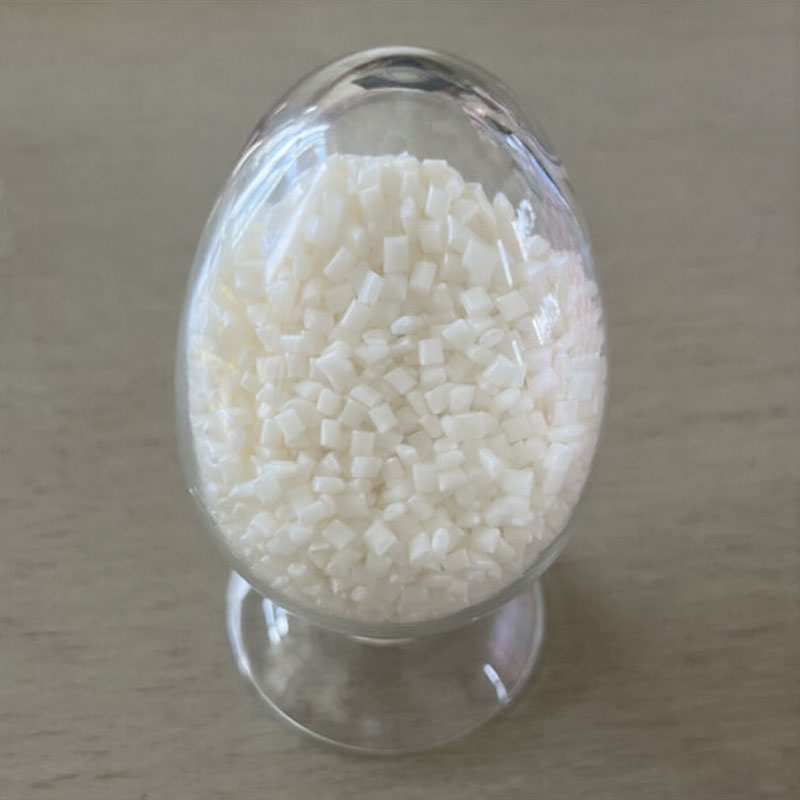
709AN/747AN/920AN
Antistatic ABS Compound
RENJIE® antistatic ABS compound with 10^8–10^10 Ω surface resistance. 709A…
View details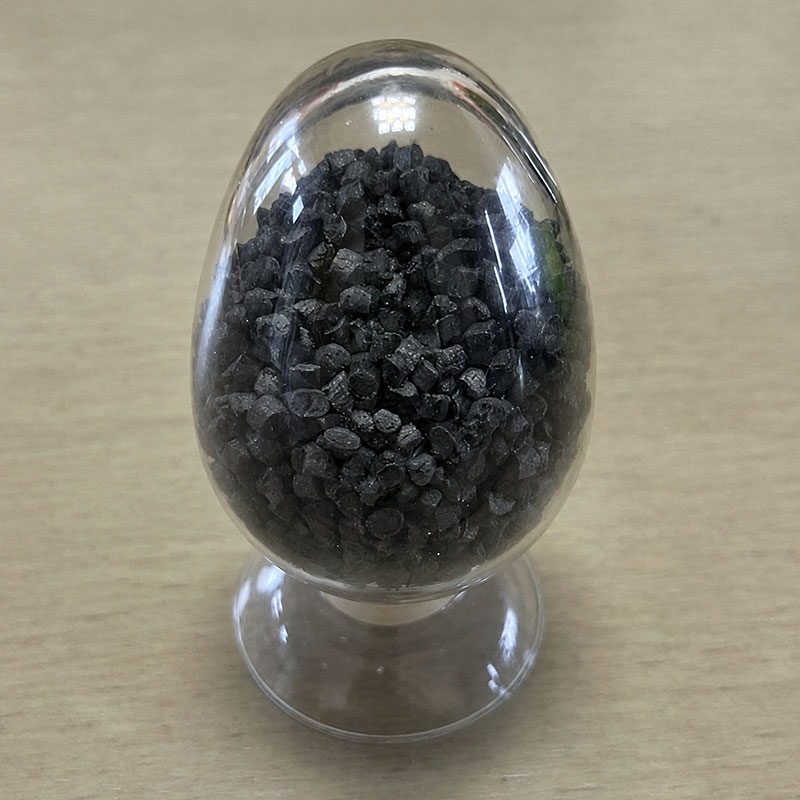
757CF20/757CF30/757CF15
15% Carbon fiber ABS
RENJIE carbon fiber reinforced ABS is a high-performance thermoplastic com…
View details70CF30/70CF20/70CF15
30% Carbon Fiber Nylon 66
Explore Carbon Fiber Conductive Nylon properties, CFRTP Conductive Nylon g…
View detailsRequest a quotation or sample
We reply with price, MOQ and lead time within one business day.
Need a quotation or product data?
Send us your specification and we will come back with a solution within 24 hours.