
Permanent Antistatic Additives
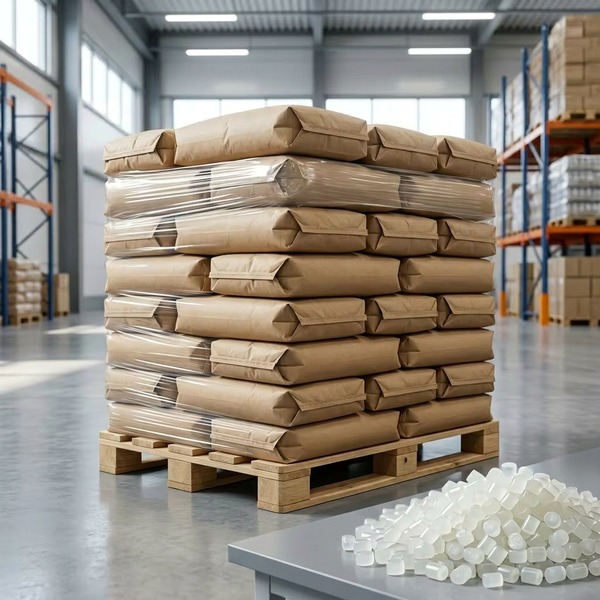
Antistatic Additive For PP
Model: 600AN/620AN/630AN/PP20AN
Permanent antistatic additive for PP is an antistatic additive for polypropylene (PP) materials
| Product Description | Permanent antistatic additive for PP |
|---|---|
| RenJie®Grade | 600AN/620AN/630AN/PP20AN |
| Base Polymer | Polypropylene(PP) |
| Melting Point | 150°C-165°C |
| Surface Resistance On Specimen (Ohm) | 1.7×10E6 Ohms |
| Melt Flow Rate | 7 g/10 min |
Permanent Antistatic Additive for PP: Properties, Dosage, Processing and Selection
A permanent antistatic additive for PP is an antistatic additive used in polypropylene (PP) materials. It has good compatibility with PP resins and disperses evenly in the material without affecting its physical properties or processing properties. This article reviews the performance characteristics, recommended dosage, processing guidance and selection criteria for the 600AN and PP20AN grades.
1. What Is a Permanent Antistatic Additive for PP?
A permanent antistatic additive for PP is an antistatic additive used in polypropylene (PP) materials. It has good compatibility with PP resins and can be evenly dispersed in the material without affecting the physical properties and processing properties of the material.
The product is compatible with both PP and PS resins, making it suitable for PP and PS products that require immediate and long-lasting antistatic performance after processing.
2. PP Antistatic Agent Grades and Properties: 600AN and PP20AN
600AN: For Extrusion Processing
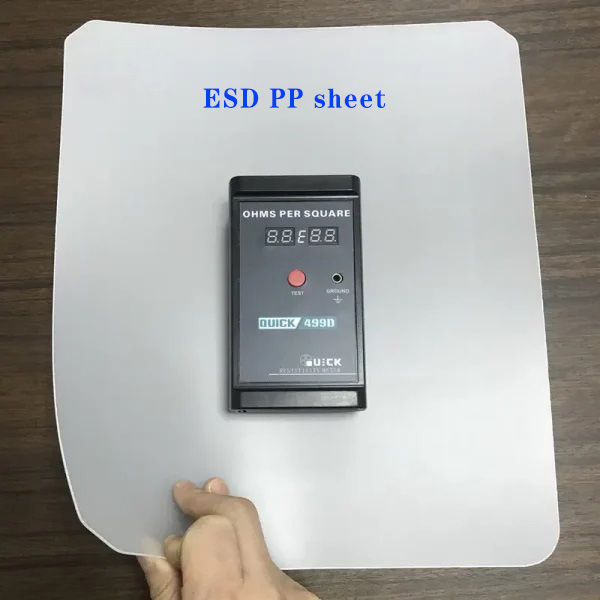
600AN is designed for extrusion processing. It is suitable for single-layer or three-layer ESD PP and PS sheets used for thermoformed trays, with a recommended dosage level of 8%~20 wt%.
PP20AN: For Injection Molding, Pipes and BOPP Film
PP20AN is one of the permanent antistatic additives for PP resin. It delivers excellent antistatic properties in both homopolymer PP and copolymer PP, and is suitable for ESD PP injection-molded parts and PP pipes.
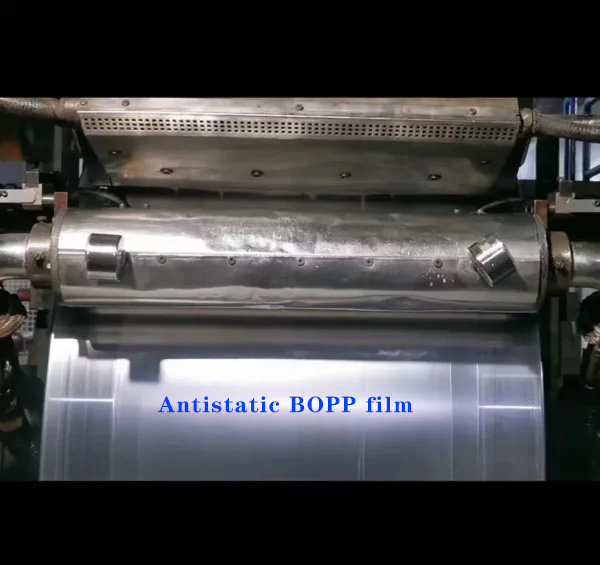
In the electronic packaging industry, PP20AN is an ideal choice for BOPP film applications: surface resistivity is below 10^9, and heat seal strength is maintained at 130°C, 0.5s.
3. Five Core Advantages of Permanent Antistatic Additives for PP
Good Physical Properties
When 8%~20 wt% of the permanent antistatic additive is added, the material combines antistatic performance with high strength, high stiffness, high heat resistance and chemical resistance. It also offers good resistance to chemical corrosion, with a certain tolerance to acids, alkalis and organic solvents.
Good Processing Performance
Similar to ordinary PP resin, it can be processed by common methods such as injection molding, extrusion and blow molding, and is easy to form into products of various complex shapes, for example food packaging trays.
Long-Term and Stable Antistatic Performance
Long-lasting antistatic performance is evident immediately after processing (injection molding, extrusion, blow molding). The effect is stable and does not fail quickly over time; the antistatic performance is both washable and friction-resistant.
Color and Transparency
The permanent antistatic additive for PP is light yellow or translucent, making it suitable for any colorful ESD PP. Transparent and translucent formulations can be customized.
Safety and Environmental Compliance
The additive does not contain harmful substances, so it can be used in fields with high safety requirements such as food packaging and medical devices.
4. Processing and Dosage Recommendations
The permanent antistatic additive for PP is compatible with both PP and PS resins. Compounding with the matrix before processing (injection molding, extrusion, blow molding) is recommended. After compounding, the antistatic material maintains the initial mechanical properties of the polymer even at a dosage of up to 25%; the use of 3%~5% compatibilizer is recommended.
5. Why Choose RenJie® Permanent Antistatic Additives for PP
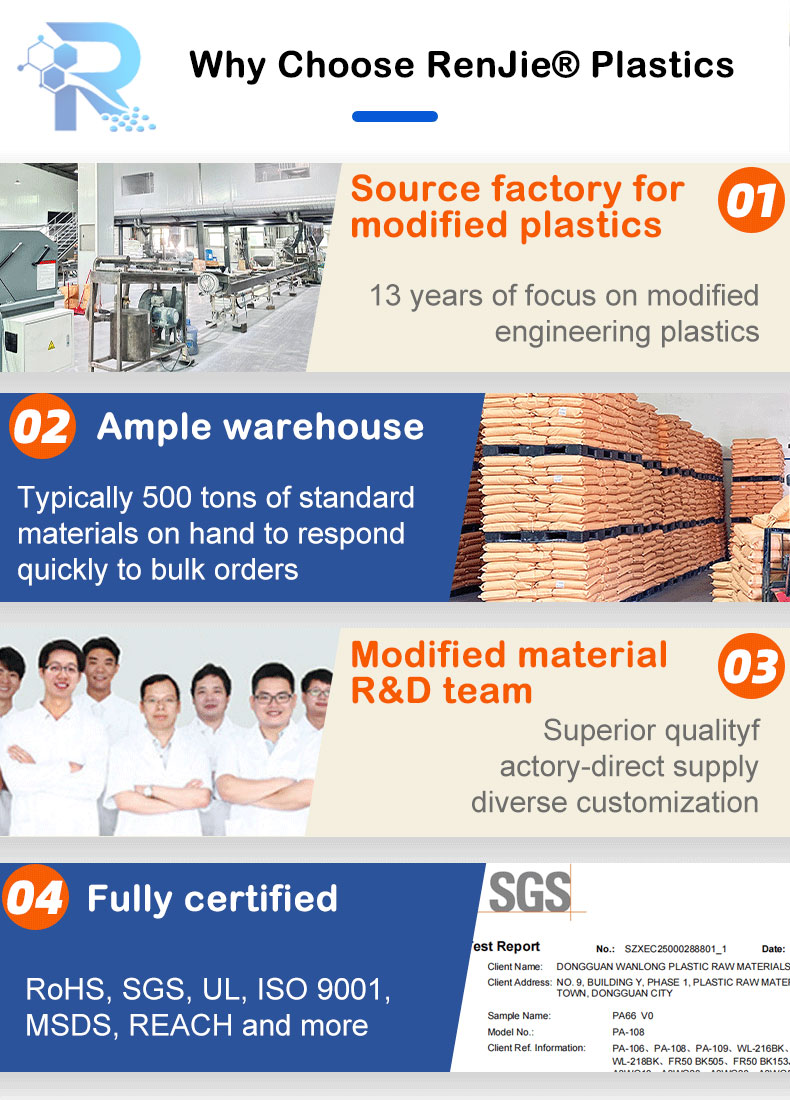
R&D: The team is composed of top talent from professional fields such as materials and chemicals, combining deep academic knowledge with practical expertise. We closely track trends in polypropylene and antistatic technology, continuously experiment and innovate, and keep optimizing products such as 600AN and PP20AN so that they remain at the forefront of the industry.
Production: Our production lines are equipped with internationally advanced equipment. A fully automated system strictly controls the proportion of raw materials, and a high-precision mixing device blends the antistatic additive and resin perfectly, ensuring stable quality without fluctuation and delivering reliable materials to customers.
Quality control: Our quality inspection system is strict. RenJie® carries out simulation tests on permanent antistatic additives and evaluates their performance in extreme environments such as high temperature, high humidity, strong acids and strong alkalis. Only products that meet the standards are released to the market, ensuring high quality.
Customization: Our customization service is outstanding. Processes and formulations can be adjusted quickly to meet the needs of multiple fields such as electronics, food and medicine. For example, PP20AN with low resistivity and stable heat seal strength is customized for electronic packaging.
6. PP Antistatic Agent FAQ
Q1: What is the recommended dosage level of the permanent antistatic additive for PP?
The recommended dosage for 600AN is 8%~20 wt%. Overall, even at a dosage of up to 25%, the compounded material maintains the initial mechanical properties of the polymer, and the use of 3%~5% compatibilizer is recommended.
Q2: Which processes and products is it suitable for?
It can be processed by common methods such as injection molding, extrusion and blow molding. Typical products include single-layer or three-layer ESD PP and PS sheets for thermoformed trays, ESD PP injection-molded parts, PP pipes, and BOPP film for electronic packaging.
Q3: What surface resistivity can be achieved?
In BOPP film for electronic packaging, PP20AN achieves surface resistivity below 10^9, and low-resistivity formulations can be customized for electronic packaging.
Q4: Does the antistatic effect decline over time?
It does not fail quickly. Long-lasting and stable antistatic performance appears immediately after processing (injection molding, extrusion, blow molding), and is both washable and friction-resistant.
Q5: Does it weaken the mechanical properties of PP?
No. It has good compatibility with PP resins and disperses evenly, without affecting the physical properties or processing properties of the material. After compounding, the antistatic material maintains the initial mechanical properties of the polymer even at a dosage of up to 25%.
Q6: Can it be used for food packaging and medical devices?
Yes. The additive does not contain harmful substances and can be used in fields with high safety requirements such as food packaging and medical devices.
Conclusion: How to Select a PP Antistatic Agent
The core value of permanent antistatic additives for PP lies in good compatibility, no compromise to the material's original properties, and antistatic performance that appears immediately after processing and remains stable over the long term. Selection comes down to two points: first, match the grade to the process and product form — 600AN for extruded sheets and thermoformed trays, PP20AN for injection-molded parts, PP pipes and BOPP film for electronic packaging; second, confirm the target surface resistivity and safety compliance requirements, since food packaging and medical devices require formulations free of harmful substances. For specific dosage and formulation recommendations, please contact the RenJie® technical team.
| Product Description | Permanent antistatic additive for PP |
|---|---|
| RenJie®Grade | 600AN/620AN/630AN/PP20AN |
| Base Polymer | Polypropylene(PP) |
| Melting Point | 150°C-165°C |
| Surface Resistance On Specimen (Ohm) | 1.7×10E6 Ohms |
| Melt Flow Rate | 7 g/10 min |
| Recommended Dosage | 10-25 wt% |
| Appearance | Granules/Pale yellow |
| Processing | Extrusion/Injection |
| Applications | ESD packaging sheet, ESD packaging trays |
Related products
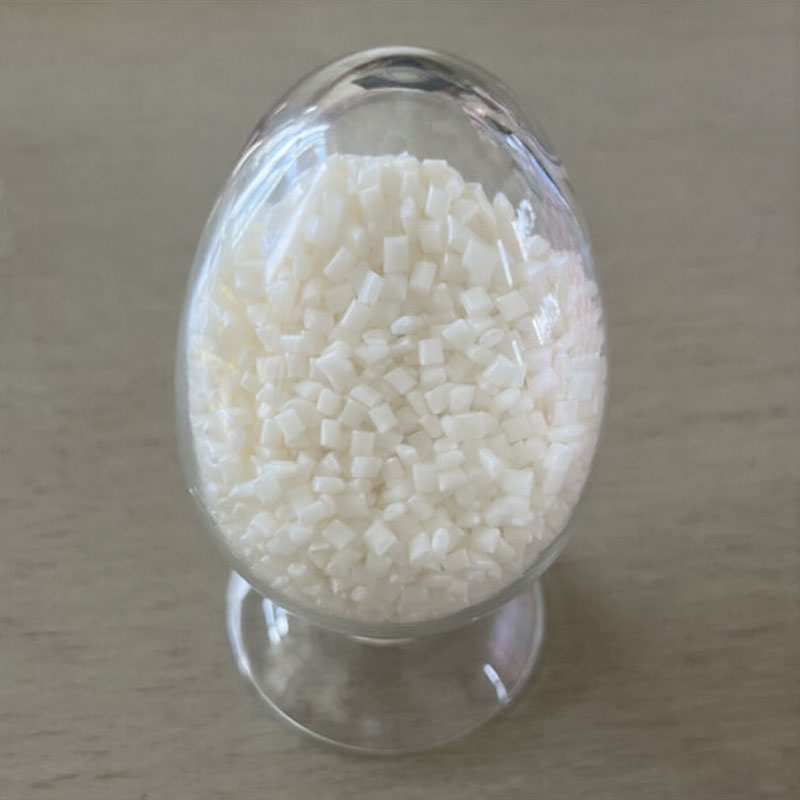
709AN/747AN/920AN
Antistatic ABS Compound
RENJIE® antistatic ABS compound with 10^8–10^10 Ω surface resistance. 709A…
View details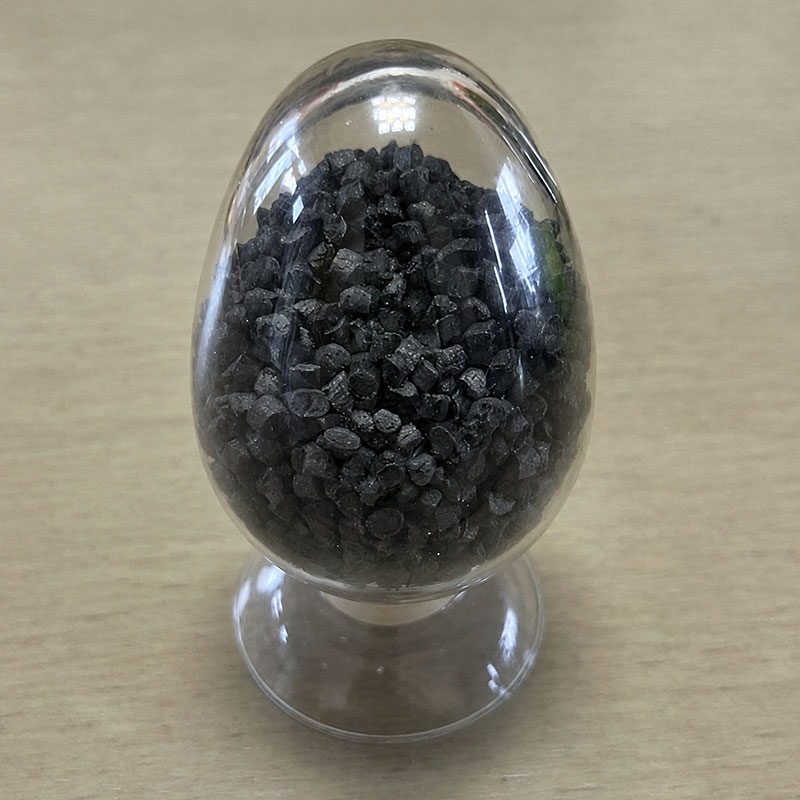
757CF20/757CF30/757CF15
15% Carbon fiber ABS
RENJIE carbon fiber reinforced ABS is a high-performance thermoplastic com…
View details70CF30/70CF20/70CF15
30% Carbon Fiber Nylon 66
Explore Carbon Fiber Conductive Nylon properties, CFRTP Conductive Nylon g…
View detailsRequest a quotation or sample
We reply with price, MOQ and lead time within one business day.
Need a quotation or product data?
Send us your specification and we will come back with a solution within 24 hours.