
Permanent Antistatic Additives
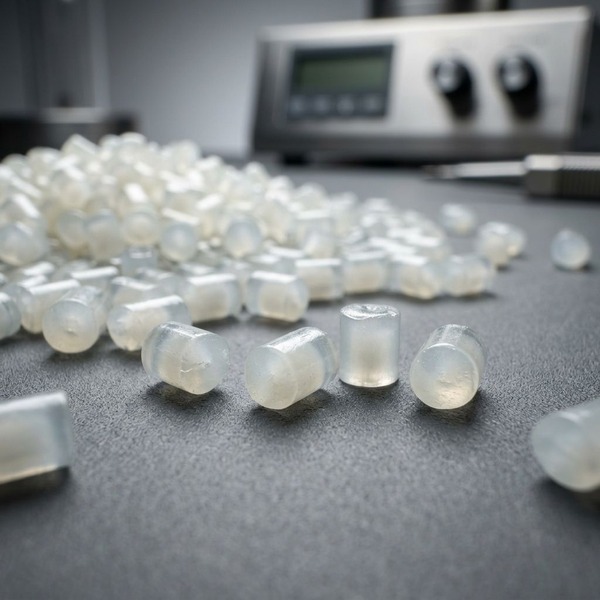
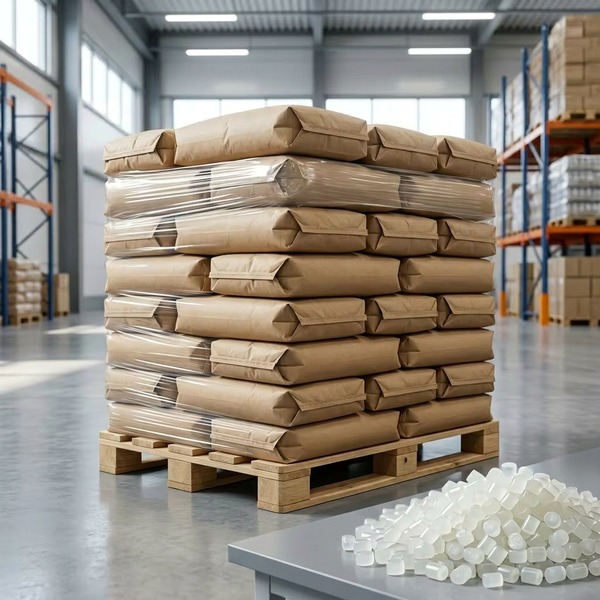

Antistatic Additive For TPU
Model: TPU 100AN/600AN
TPU antistatic agent, elastomer antistatic agent, permanent antistatic agent for TPU, antistatic agent exudation
| Product Description | TPU Antistatic agent |
|---|---|
| RenJie®Grade | TPU 100AN/600AN |
| Base Polymer | TPU |
| Melting Point | 140°C-165°C |
| Appearance | Granules/Pale yellow |
| Surface Resistance On Specimen (Ohm) | 1.4×10E6 Ohms |
TPU Antistatic Agent: Properties, Applications and Anti-Exudation Guide
A TPU antistatic agent is an additive that gives TPU and other elastomeric materials long-lasting, stable antistatic properties. It forms a conductive network in the TPU matrix and can be added through conventional processing methods such as extrusion, injection molding and blow molding. This article reviews its three key properties and five application areas, and sets out the critical control points for preventing surface exudation.
1. What Is a TPU Antistatic Agent?
A TPU antistatic agent is an additive that makes TPU and other elastomeric materials antistatic for a long time and stably. It forms a conductive network in the TPU matrix and can be added through conventional processing methods such as extrusion, injection molding and blow molding, without additional processing equipment.
2. Three Key Properties of TPU Antistatic Agents
Long-Lasting and Stable
A TPU antistatic agent maintains its antistatic effect throughout the entire service life of the TPU material, and its performance does not decline significantly with the passage of time or changes in the use environment.
Not Affected by Humidity
Unlike some ordinary antistatic agents, a TPU antistatic agent performs effectively in both dry and humid environments.
Good Compatibility
It has good compatibility with TPU, TPE and TPV. After dosing, it has little effect on the mechanical properties, optical properties and processing properties of TPU, so the original characteristics of TPU are maintained.
3. Application Overview of TPU Antistatic Agents
| Application | Typical Products | Antistatic Function |
| Medical devices | Surgical instruments, medical equipment housings | Prevent static electricity from interfering with electronic components and sensitive parts |
| Medical devices | Catheters such as urinary catheters and infusion tubes | Reduce static adsorption and prevent bacteria and dirt from adhering |
| Medical devices | Protective gloves and protective clothing | Prevent discomfort or safety hazards to medical staff and patients |
| Electronics | Housings of mobile phones, tablets, laptops and televisions | Prevent static electricity from damaging internal precision electronic components |
| Packaging | TPU antistatic films for food, electronic component and cosmetic packaging | Prevent static electricity from adsorbing dust and impurities, keeping the inside of the packaging clean |
| Sports equipment | Anti-slip, wear-resistant TPU products such as sports shoes and protective gear | Improve product performance and comfort, and reduce the adverse effects of static electricity |
| Industrial parts | Housings, pipes, seals and casters of industrial equipment | Prevent static electricity from affecting equipment operation and product quality |
4. How to Prevent TPU Antistatic Agents from Exuding
The RenJie® TPU antistatic agent is a long-lasting polyether and polyester block copolymer whose molecular structure alternates polar segments and amphiphilic segments. It has good compatibility with substrates such as TPU, forms a core-shell structure in the material, and does not need to migrate to the surface to work, which prevents exudation.
In addition to the properties of the antistatic agent itself, the following four factors can be controlled to prevent surface exudation:
Reasonable Formulation Design
Fully consider the compatibility of the permanent antistatic agent with the TPU substrate and the interactions between the components, so that the antistatic agent is evenly and stably dispersed in the TPU. For example, select a matching antistatic agent based on the polarity and other characteristics of the TPU.
Accurate Processing Temperature Control
Strictly control the temperature during processing and avoid both excessively high and excessively low levels. Too high a temperature may cause the permanent antistatic agent to decompose or migrate excessively, while too low a temperature may lead to uneven dispersion, which can cause exudation.
Sufficient Stirring and Mixing
Stirring and mixing are crucial for the dispersion of the antistatic agent in TPU. Thorough and even stirring allows the antistatic agent to fully dissolve or disperse in the TPU matrix, reducing exudation caused by excessive local concentration.
Avoiding Reactive Substances
If no chemical substances capable of reacting with the permanent antistatic agent are present in the service environment, the antistatic agent remains stable and is unlikely to exude as a result of material changes caused by chemical reactions.
5. Difference from Ordinary Antistatic Agents
| Aspect | Ordinary antistatic agents | RenJie® TPU antistatic agent |
| Mechanism | Must migrate to the product surface and rely on ambient moisture to form a conductive path | Forms a conductive network and core-shell structure in the matrix, with no need to migrate to the surface |
| Humidity dependence | Performance drops in dry environments | Effective in both dry and humid environments |
| Durability | May decline over time and with environmental changes | Maintains its effect throughout the entire service life |
| Exudation tendency | Prone to surface exudation | Resists exudation and preserves the original characteristics of TPU |
6. TPU Antistatic Agent FAQ
Q1: Will a TPU antistatic agent exude? How can it be prevented?
The RenJie® TPU antistatic agent is a long-lasting polyether and polyester block copolymer whose molecular structure alternates polar and amphiphilic segments. It forms a core-shell structure in the material and does not need to migrate to the surface, so it resists exudation. Exudation can be further prevented through reasonable formulation design, accurate temperature control, sufficient stirring and mixing, and avoiding substances that may react chemically.
Q2: How should the processing temperature be controlled?
It must be strictly controlled and neither too high nor too low. Too high a temperature may cause the permanent antistatic agent to decompose or migrate excessively, while too low a temperature may lead to uneven dispersion and cause exudation.
Q3: Does it work in both dry and humid environments?
Yes. Unlike some ordinary antistatic agents, a TPU antistatic agent performs effectively in both dry and humid environments.
Q4: Which substrates is it compatible with?
It has good compatibility with TPU, TPE and TPV. After dosing, it has little effect on the mechanical, optical and processing properties of TPU, preserving the original characteristics of the material.
Q5: Which processing methods can be used?
It can be added through conventional processing methods such as extrusion, injection molding and blow molding, with no change to the existing process route.
Q6: Where is it mainly applied?
It mainly covers medical devices (surgical instruments, equipment housings, catheters, protective gloves and clothing), electronic product housings, antistatic packaging films, sports equipment and industrial parts.
Q7: How long does the antistatic effect last?
It maintains its antistatic effect throughout the entire service life of the TPU material and does not decline significantly with the passage of time or changes in the use environment.
Conclusion: Selection and Usage Notes for TPU Antistatic Agents
The core value of a TPU antistatic agent lies in long-lasting stability, no humidity dependence, good compatibility and strong resistance to exudation. Three points deserve attention in use: first, confirm requirements according to the application — medical devices, electronic product housings, packaging films, sports equipment and industrial parts; second, match the substrate, as the product is compatible with TPU, TPE and TPV; and third, control exudation risk through formulation design, processing temperature, stirring and mixing, and avoiding reactive substances. For specific dosage and formulation recommendations, please contact the RenJie® technical team.
| Product Description | TPU Antistatic agent |
|---|---|
| RenJie®Grade | TPU 100AN/600AN |
| Base Polymer | TPU |
| Melting Point | 140°C-165°C |
| Appearance | Granules/Pale yellow |
| Surface Resistance On Specimen (Ohm) | 1.4×10E6 Ohms |
| Melt Flow Rate | 25 g/10 min |
| Recommended Dosage | 8-20 wt% |
| Processing | Extrusion/Injection |
| Applications | TPU film, antistatic TPU compound |
Related products
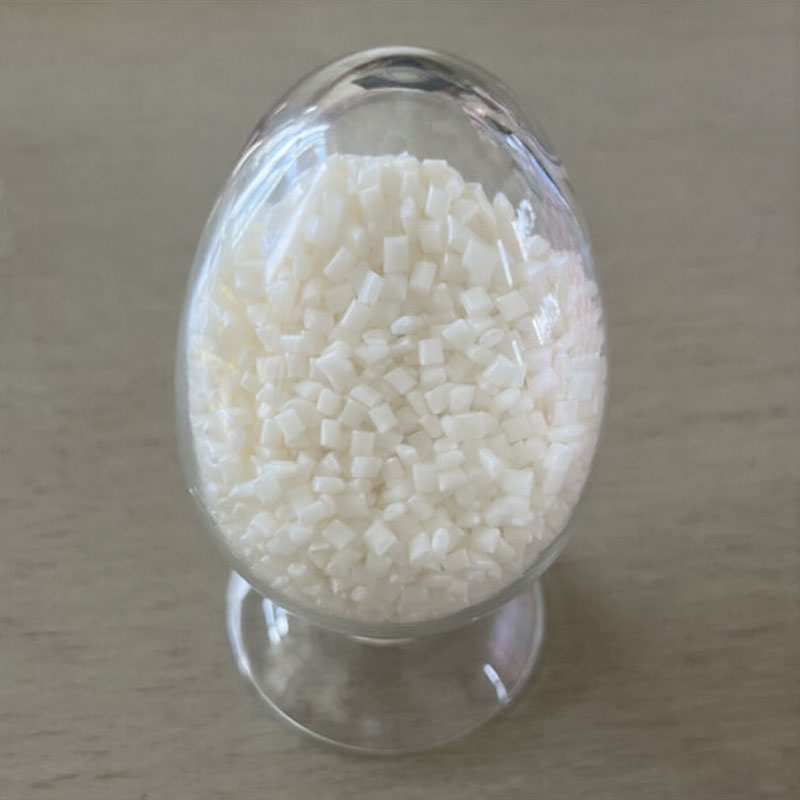
709AN/747AN/920AN
Antistatic ABS Compound
RENJIE® antistatic ABS compound with 10^8–10^10 Ω surface resistance. 709A…
View details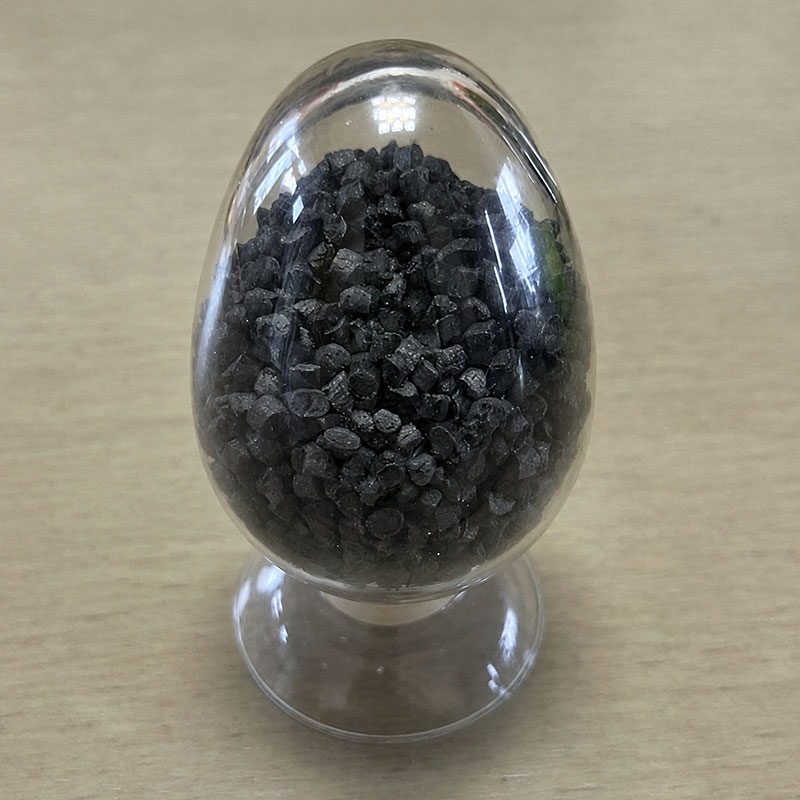
757CF20/757CF30/757CF15
15% Carbon fiber ABS
RENJIE carbon fiber reinforced ABS is a high-performance thermoplastic com…
View details70CF30/70CF20/70CF15
30% Carbon Fiber Nylon 66
Explore Carbon Fiber Conductive Nylon properties, CFRTP Conductive Nylon g…
View detailsRequest a quotation or sample
We reply with price, MOQ and lead time within one business day.
Need a quotation or product data?
Send us your specification and we will come back with a solution within 24 hours.